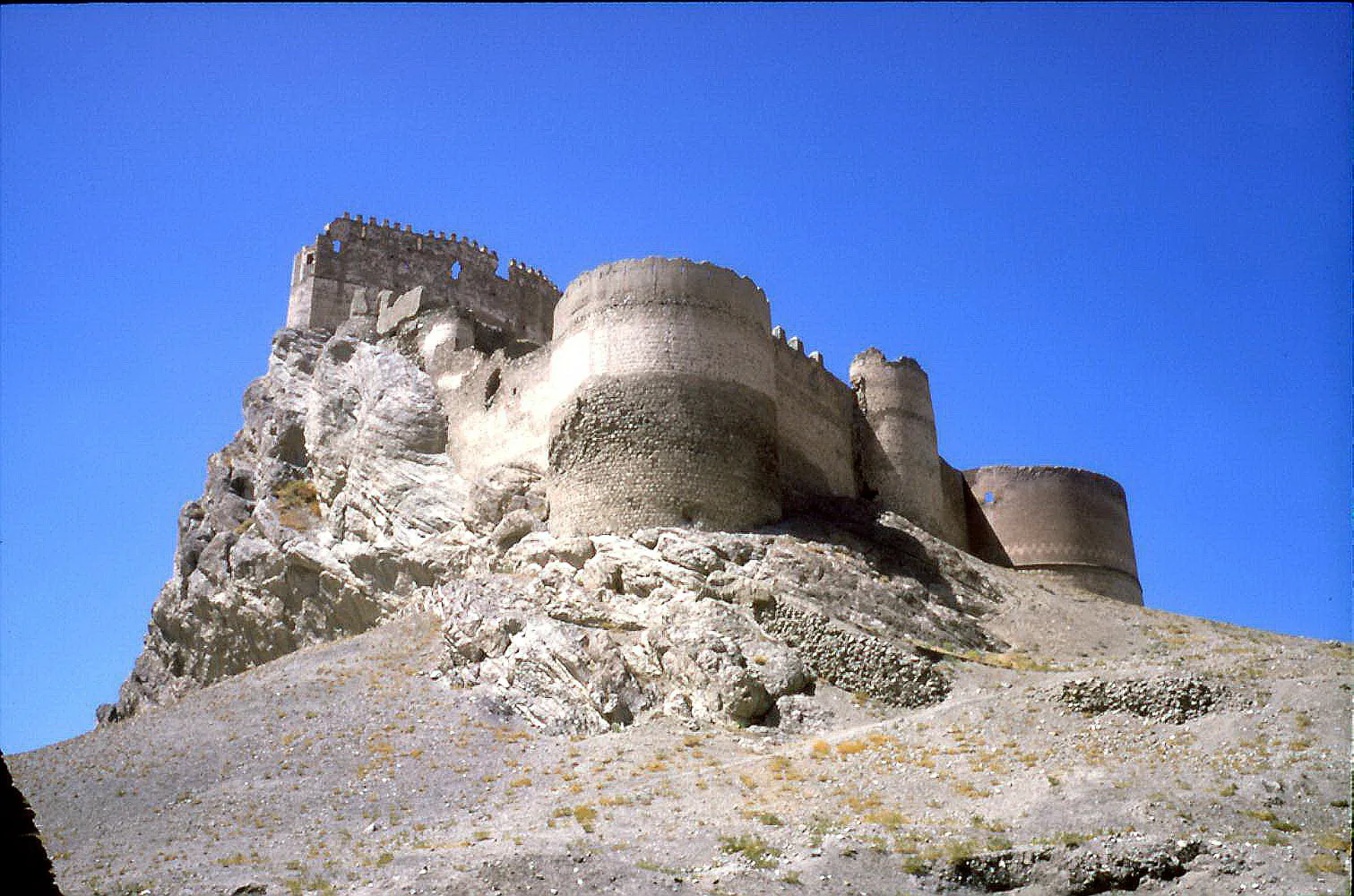
Hoşap Castle in Gürpınar is a palace fortress on a steep crag, built in 1643 by the Mahmudi bey Süleyman, with a palace complex, mosque and dungeon inside.
Hoşap Castle is a place (Castle) in Turkey, Van. Main periods: Ottoman Period.
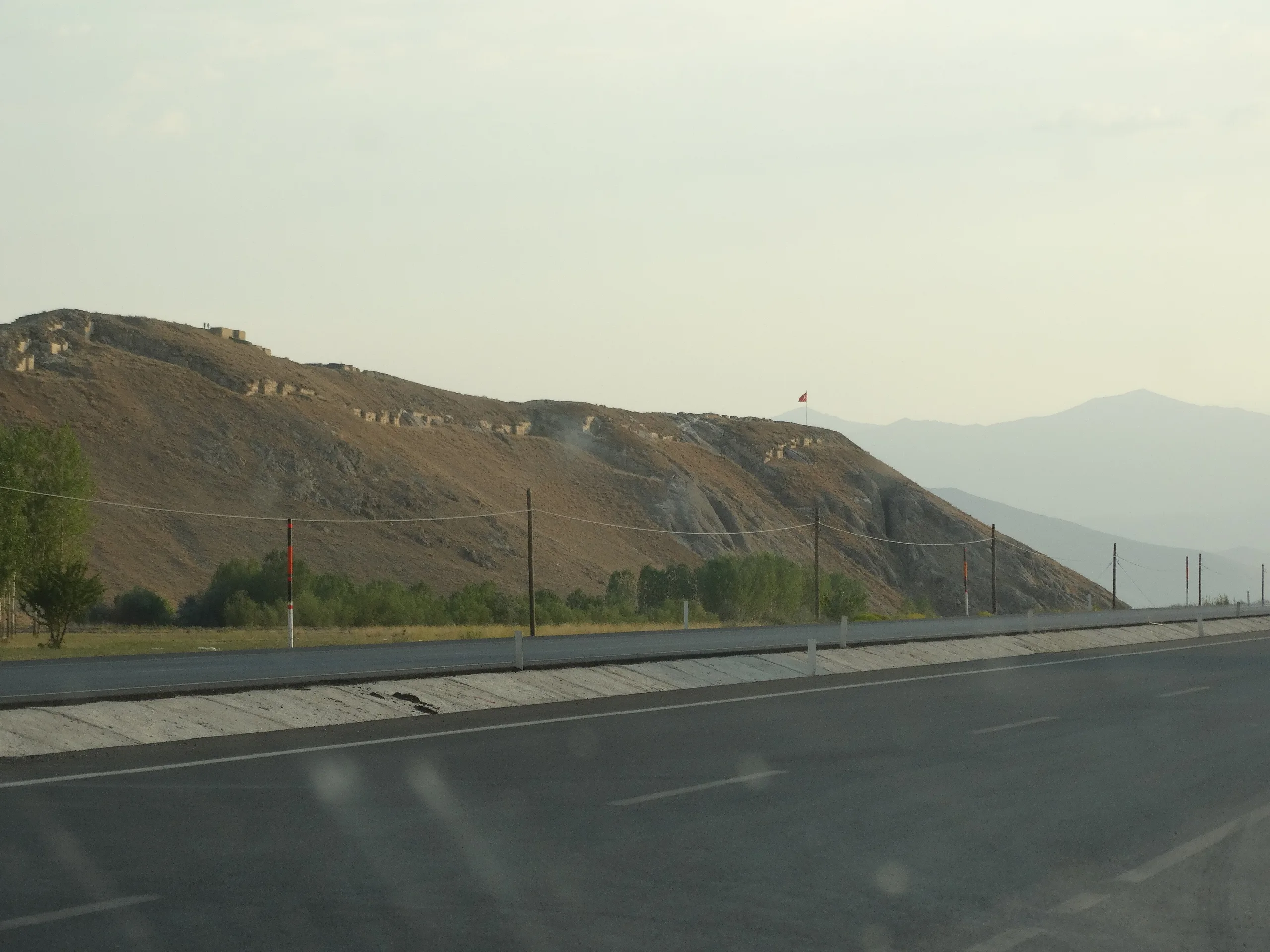
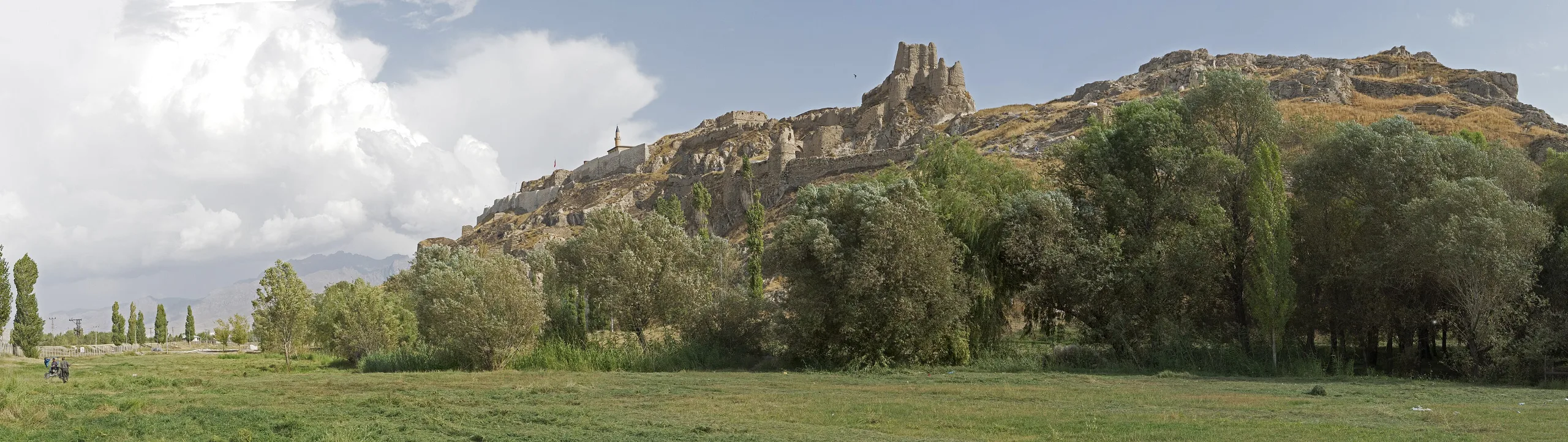
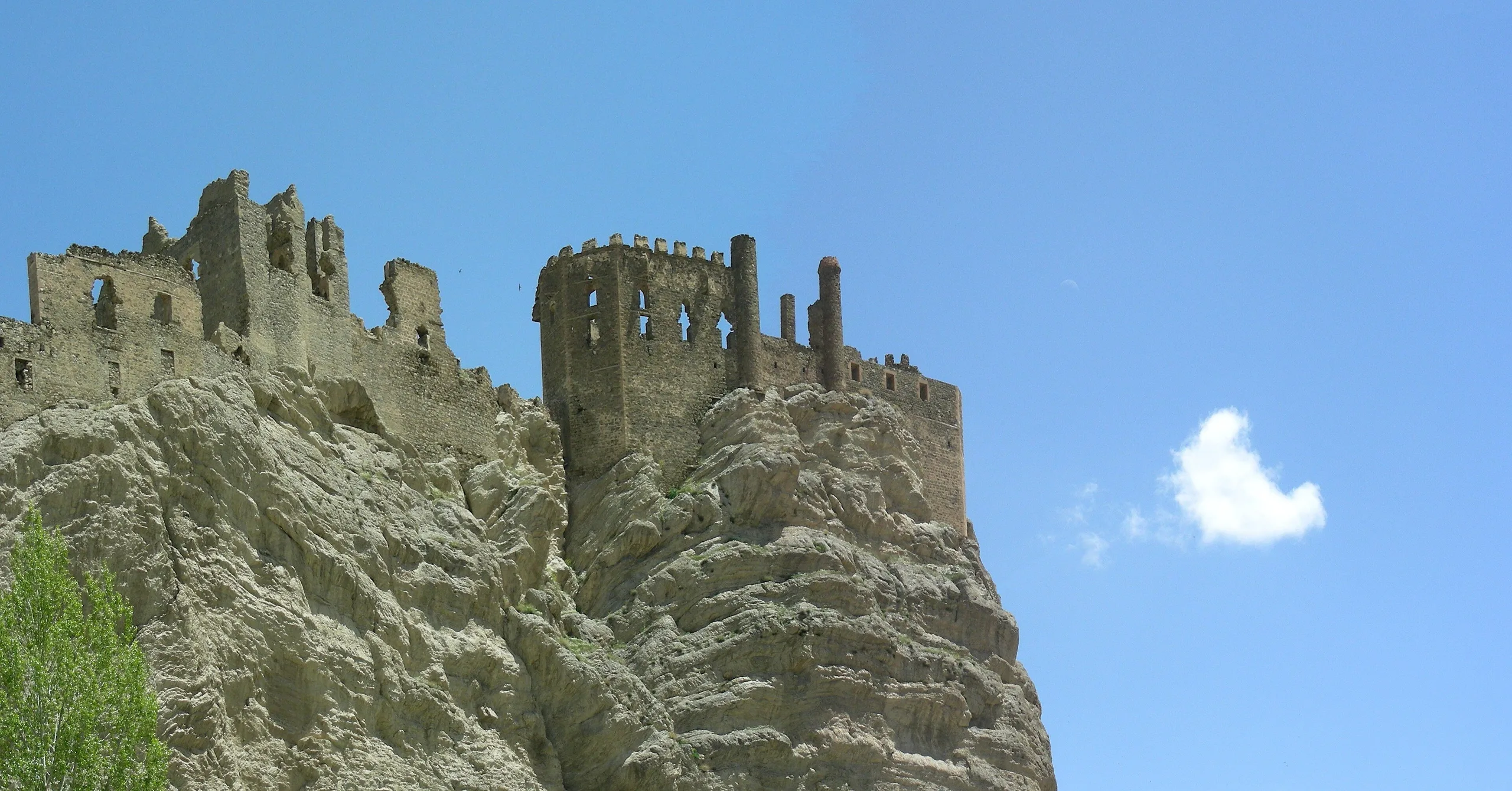
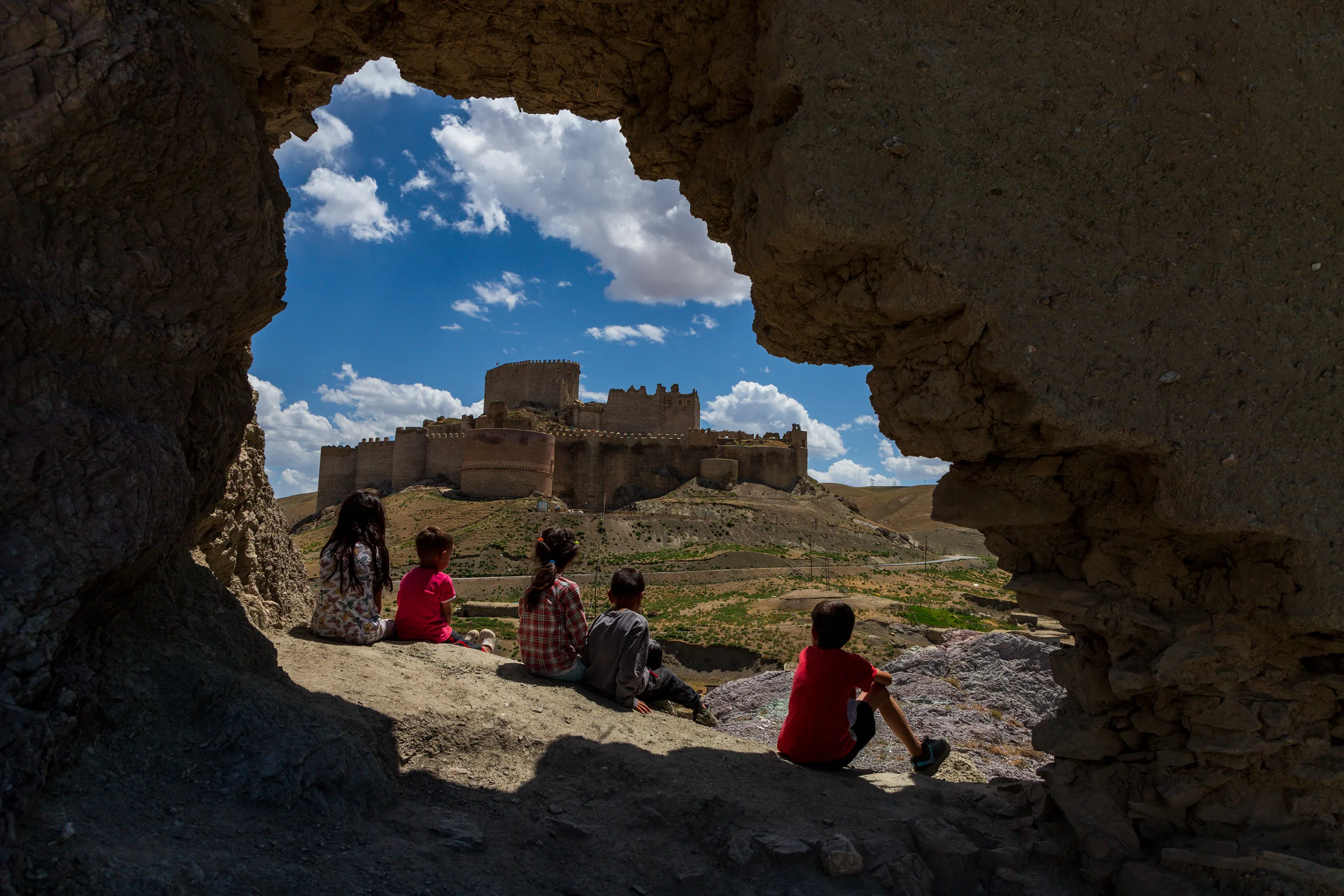
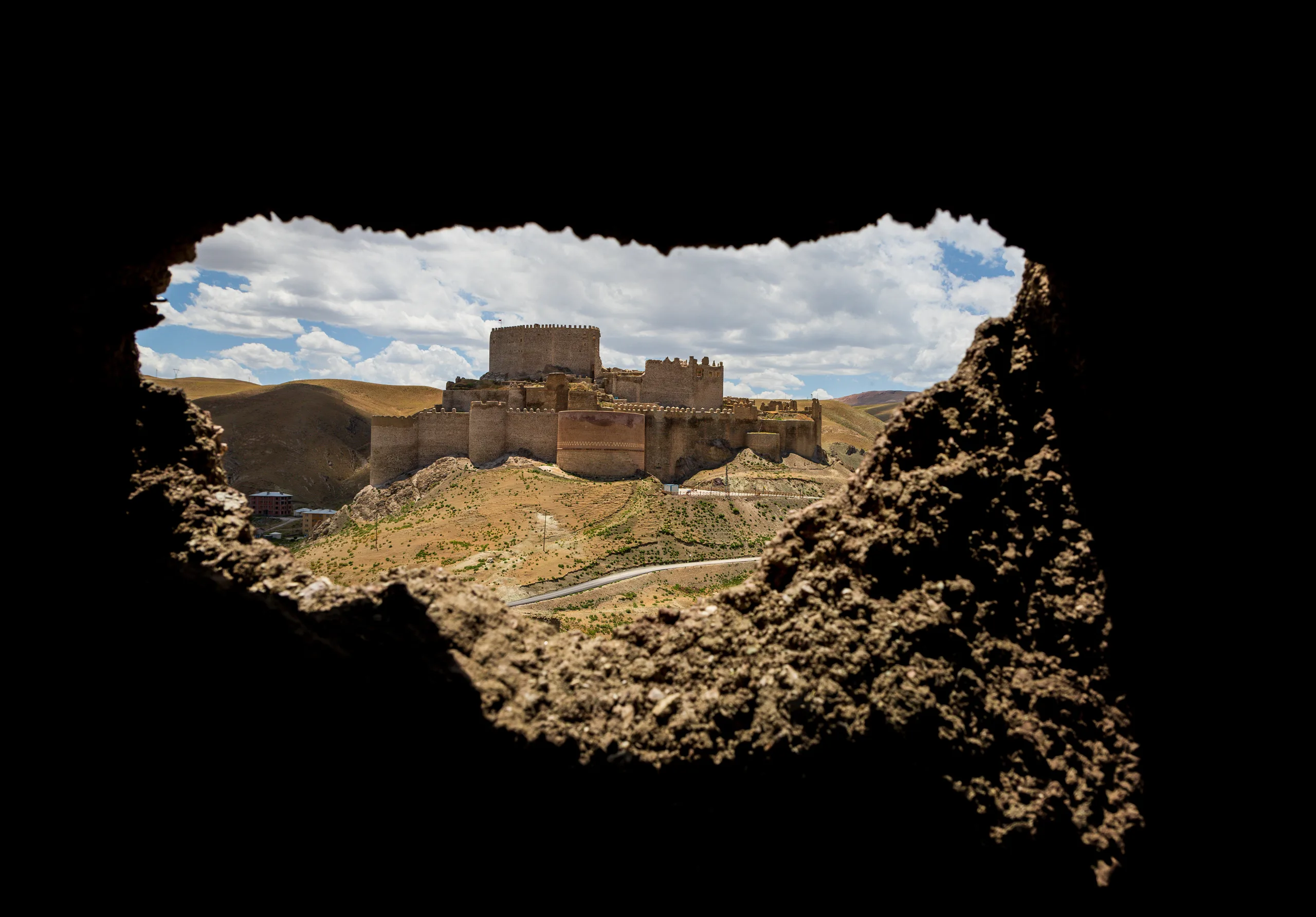
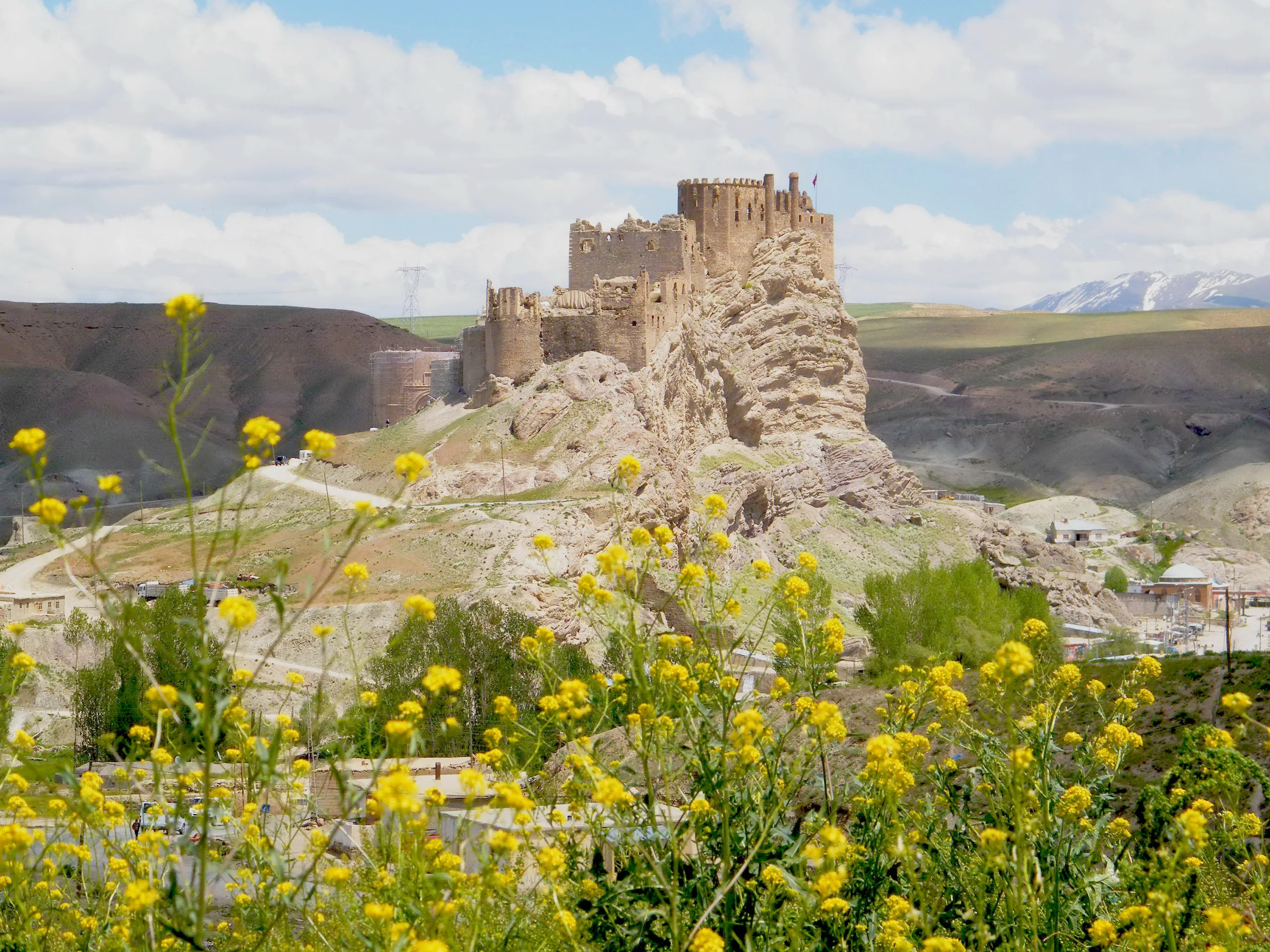
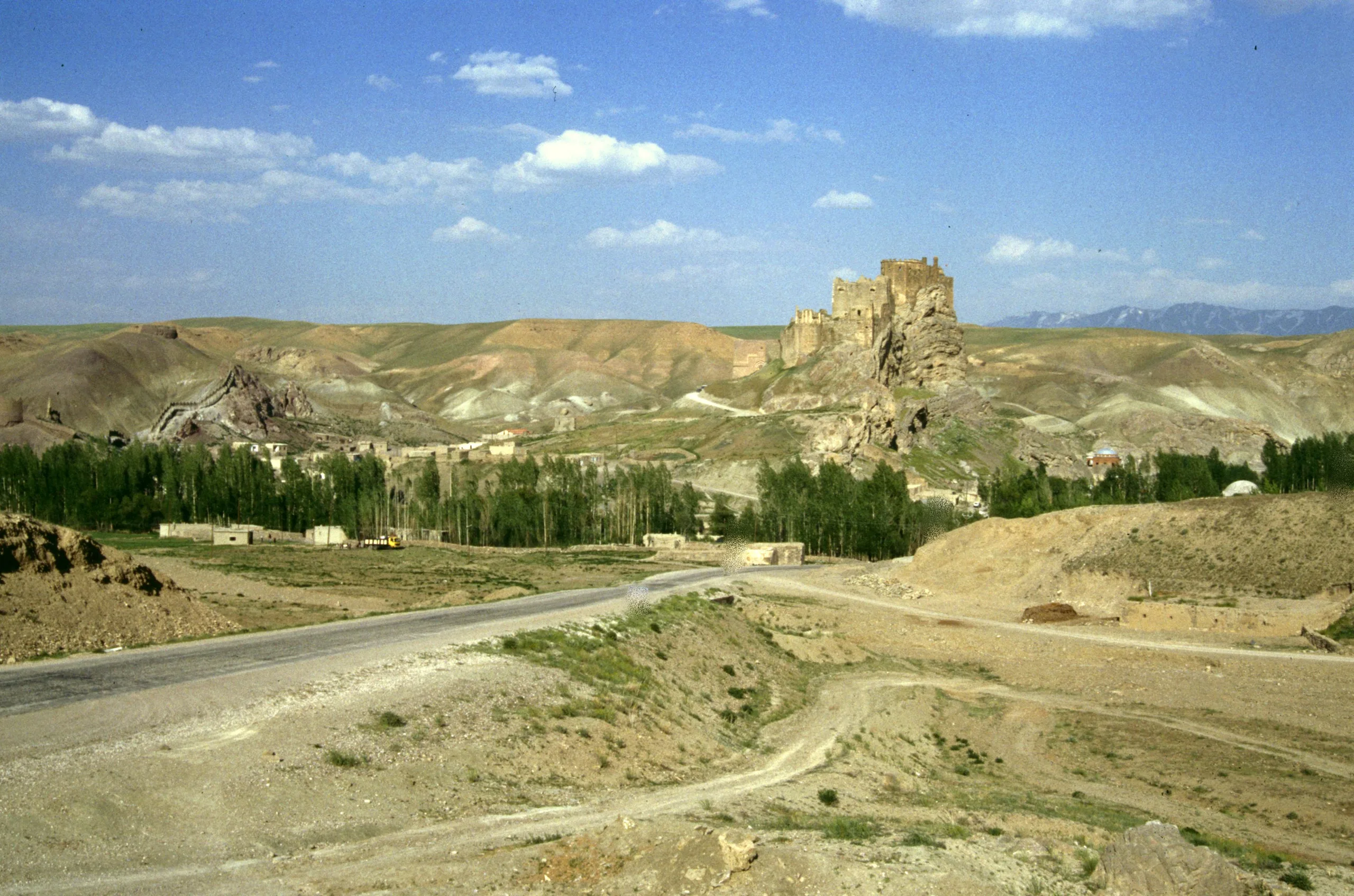
On the Van-Hakkâri road at Güzelsu, once called Hoşap, a steep rock rises above the stream and the castle's towers seem to grow out of it. Hoşap Castle is a palace fortress fitted tightly to the slope of the crag, and it is the most striking structure a traveller sees from the road. It stands in Gürpınar district, about 60 km from Van and 40 km from the district town, on a sheer outcrop northwest of the Hoşap stream.
History
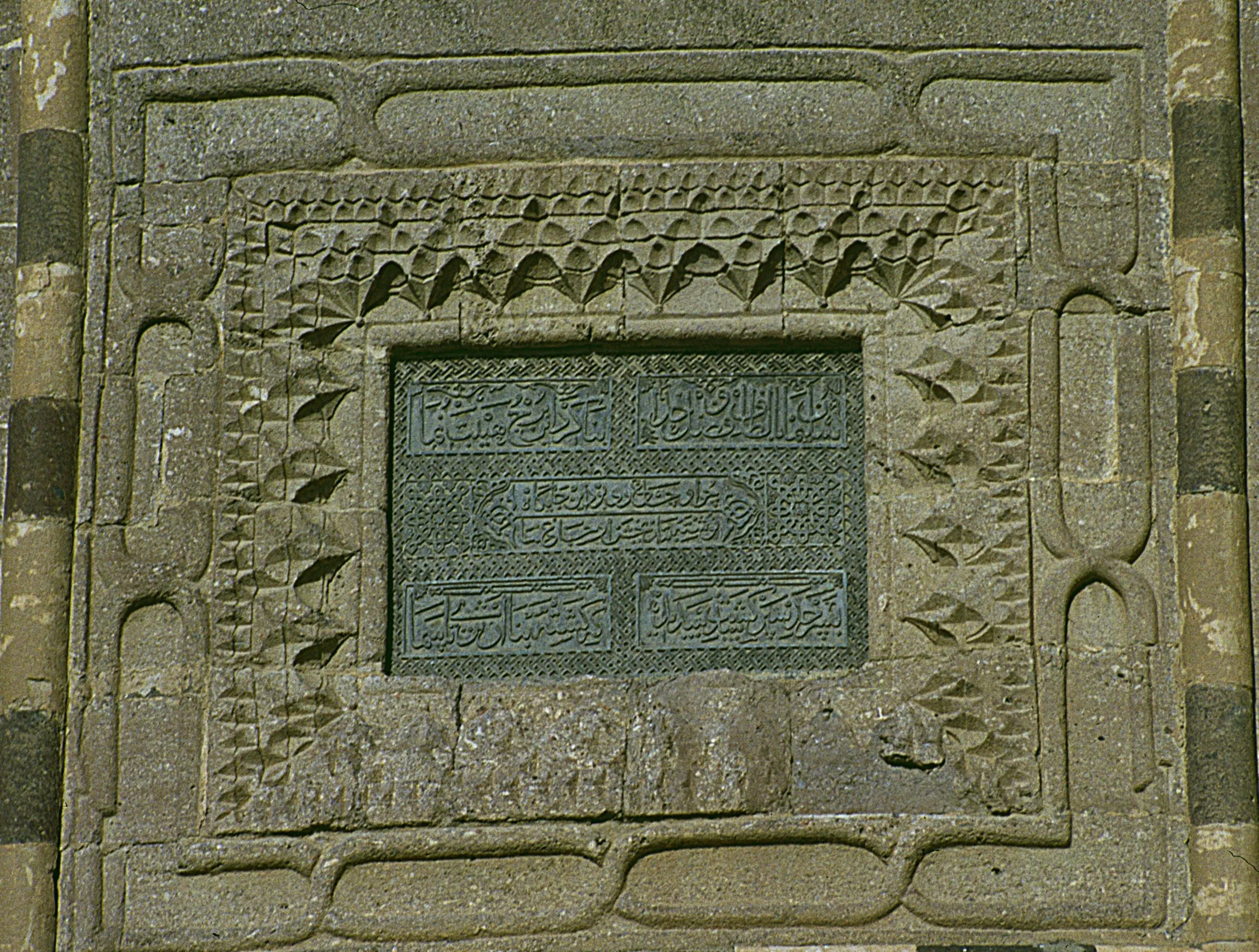
The site goes back to the Urartian age, but its present form is the work of the Mahmudi beys, who were vassals of the Ottoman Empire. An inscription over the gate of the inner castle says that Mahmudi Süleyman Bey built it in 1052 of the Islamic calendar, which is 1643. The castle was abandoned in the middle of the 19th century. Though neglected for generations, its buildings have survived largely intact, which is why it counts among the symbolic monuments of the region.
The castle
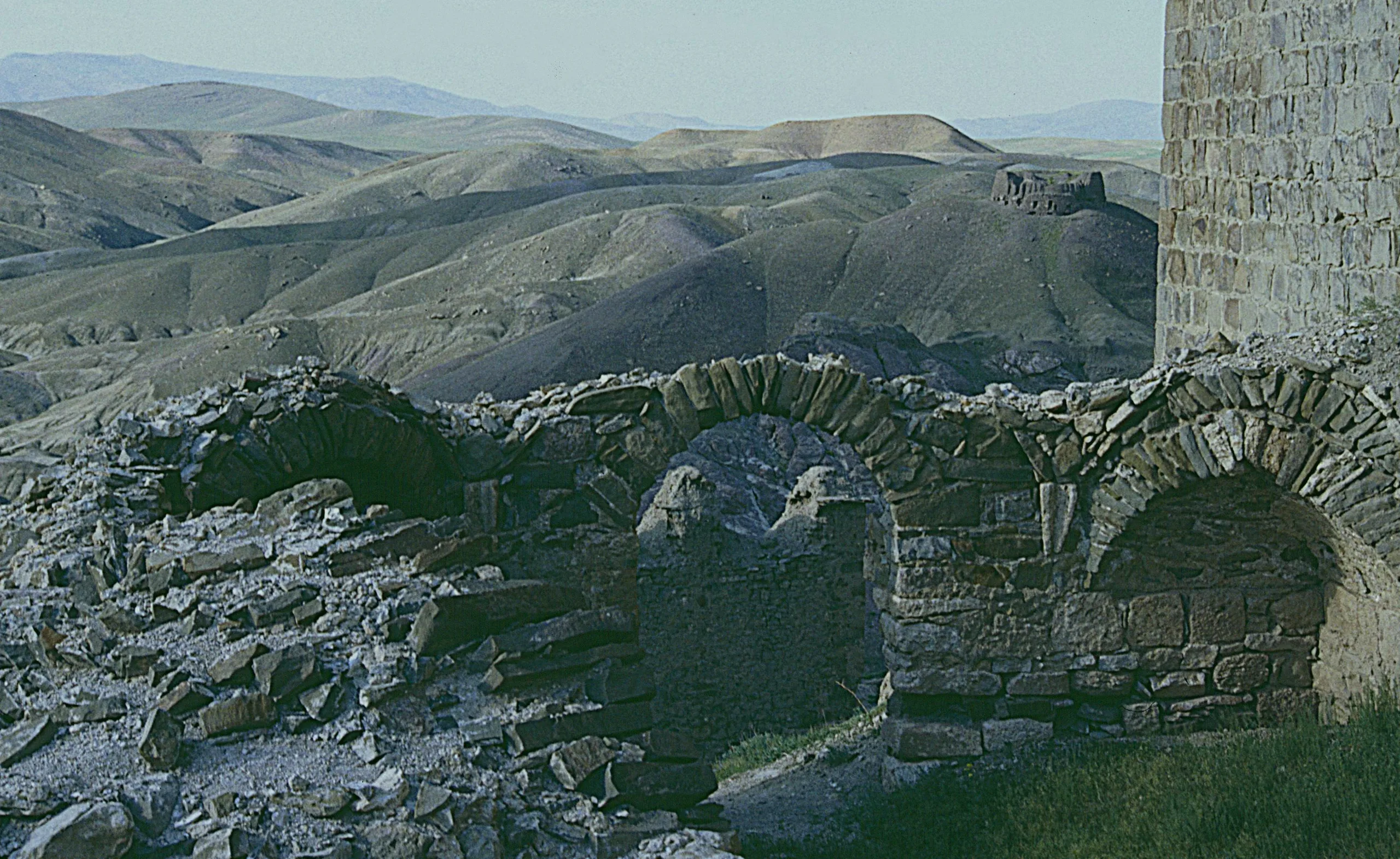
The fortress has two parts: the inner castle, on a mass that is steep on the south and sloping on the north, and the outer castle lying north of it. The outer walls follow the shape of the terrain and wrap around the east, north and west. The eastern walls stand in part while those in the west have mostly fallen, some of the bastions supporting them survive, and the east and west gates are gone entirely. A watchtower stands northeast of the outer castle, and the interior now holds the remains of a mosque and village houses.
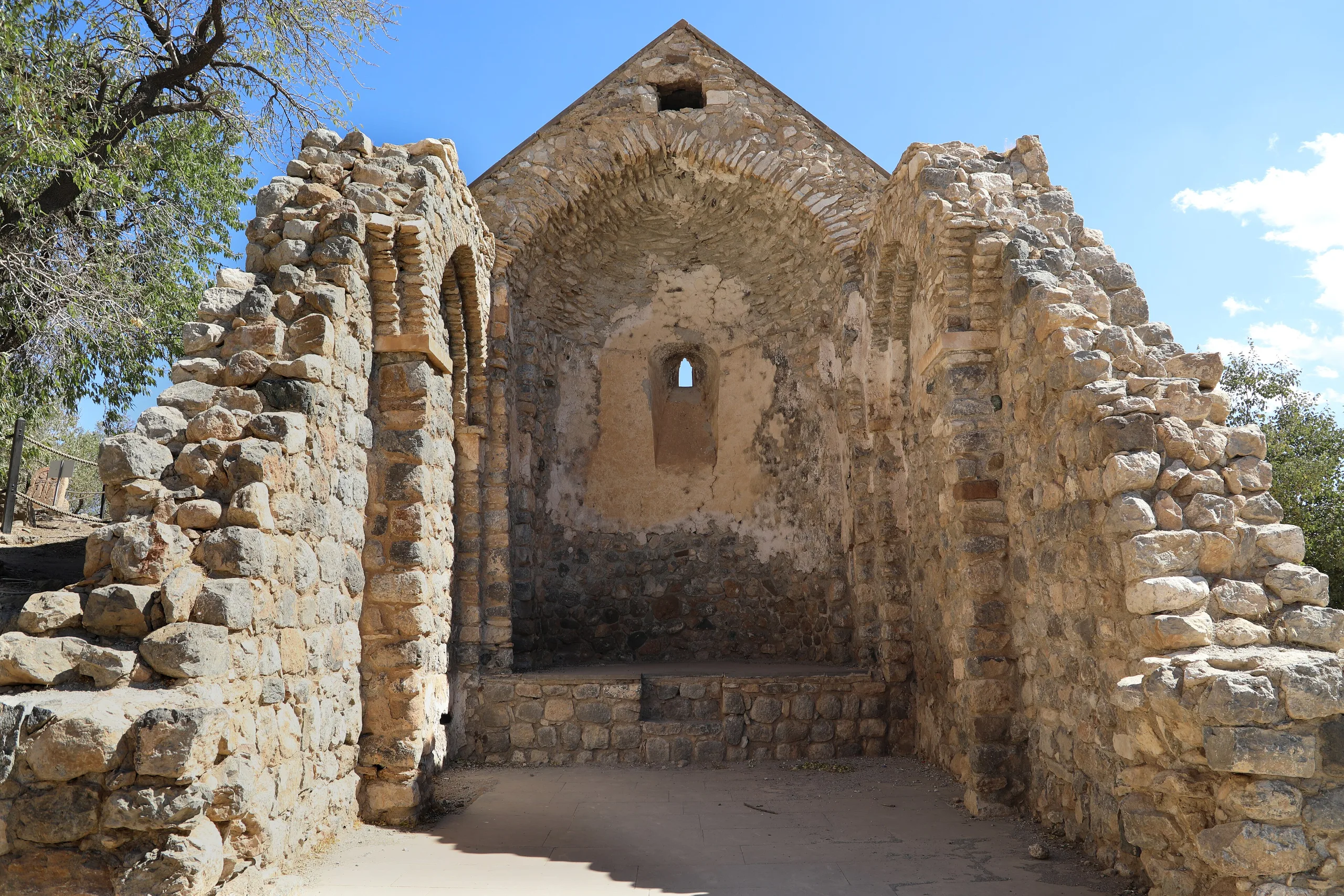
The inner castle is entered by a gate set in a bastion on the north side, near the middle. On the west face of this bastion, designed like a stone portal, a Persian inscription, blind windows and lion reliefs enliven the facade. The original iron leaves of the door still work. The row of buildings along the south of the inner castle is called the Mahmudi Palace. At the top on the east lies a viewing kiosk, to its west the harem (the family quarters), and at the western end the selamlık (the reception wing for guests). The castle also has a small mosque, a dungeon, an oven and a cistern. A bath, a fountain and a madrasa are among the other buildings recorded inside.
Visiting
Conditions can change; check the page for the site on muze.gov.tr. Çavuştepe lies about 40 km to the west.
Gallery
Frequently asked questions
Where is Hoşap Castle?
Who built it?
Where are the lion reliefs?
When was the castle abandoned?
What is there to see?
Sources (12)
- Hoşap Kalesi / Hoşap Castle (TR ve EN sayfalar) — T.C. Kültür ve Turizm Bakanlığı, Müzeler ve Ören Yerleri
- Hoşap Kalesi - Van, Gezilecek Yerler — T.C. Kültür ve Turizm Bakanlığı, Kültür Portalı (kaynak: Tanıtma Genel Müdürlüğü)
- Hoşap Kalesi (Wikidata Q1420248) — Wikidata
Photo credits
- Photo: Leon petrosyan, CC BY-SA 4.0 — Wikimedia Commons (resized)
- Photo: Attaleiv, CC BY-SA 3.0 — Wikimedia Commons (resized)
- Photo: Herbert Frank from Wien (Vienna), AT, CC BY 2.0 — Wikimedia Commons (resized)
- Photo: Mkrc85, CC BY-SA 4.0 — Wikimedia Commons (resized)
- Photo: Mkrc85, CC BY-SA 4.0 — Wikimedia Commons (resized)
- Photo: Volker Höhfeld, CC BY-SA 4.0 — Wikimedia Commons (resized)
- Photo: Ziegler175, CC BY-SA 4.0 — Wikimedia Commons (resized)
- Photo: Ziegler175, CC BY-SA 4.0 — Wikimedia Commons (resized)
- Photo: Ziegler175, CC BY-SA 4.0 — Wikimedia Commons (resized)