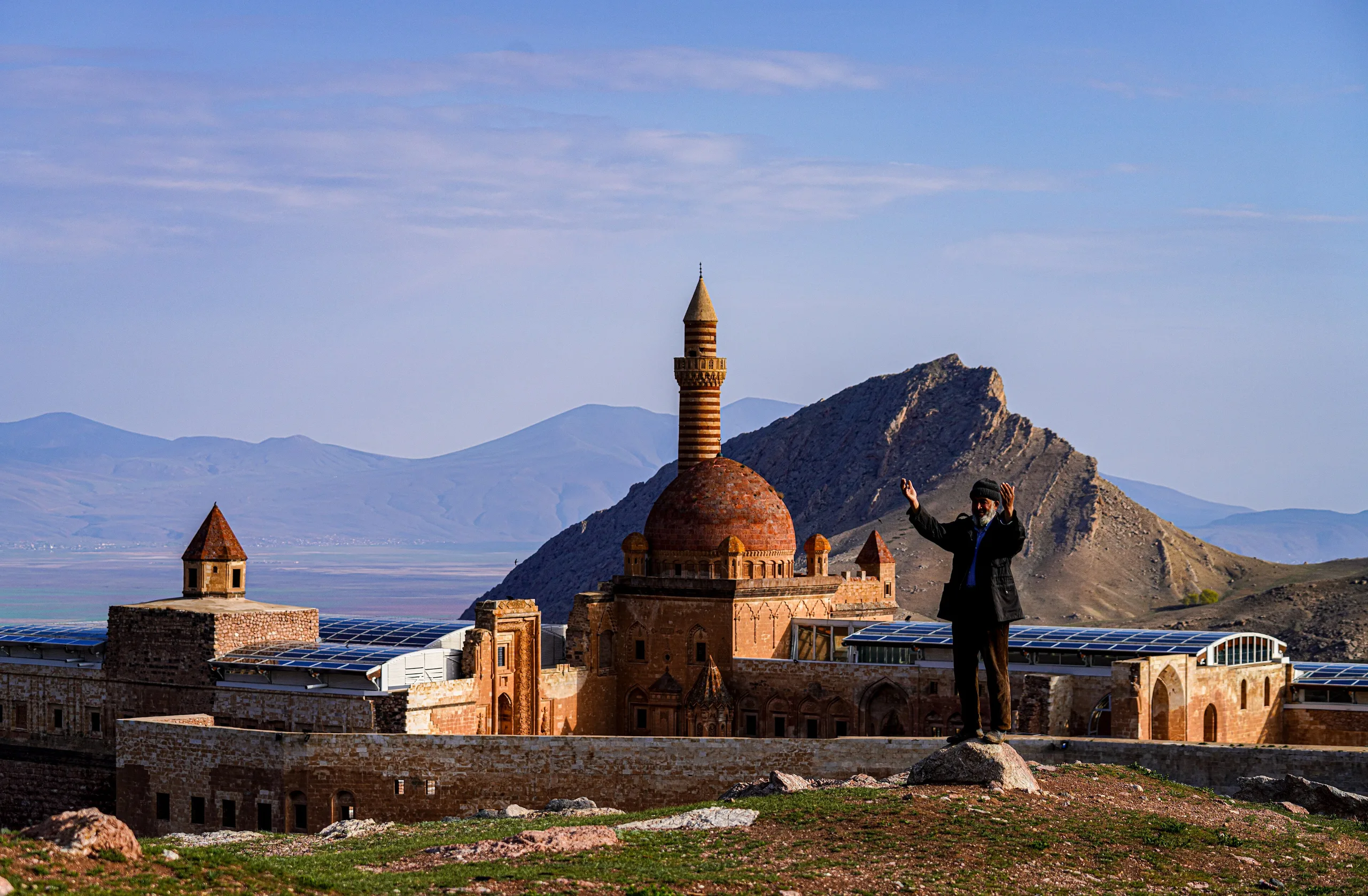
Ishak Pasha Palace in Doğubayazıt, Ağrı, is an Ottoman palace complex begun in 1685 and finished in 1784, blending Ottoman, Seljuk and Persian features.
Ishak Pasha Palace is a place (Palace and pavilion) in Turkey, Agri. Main periods: Ottoman Period.
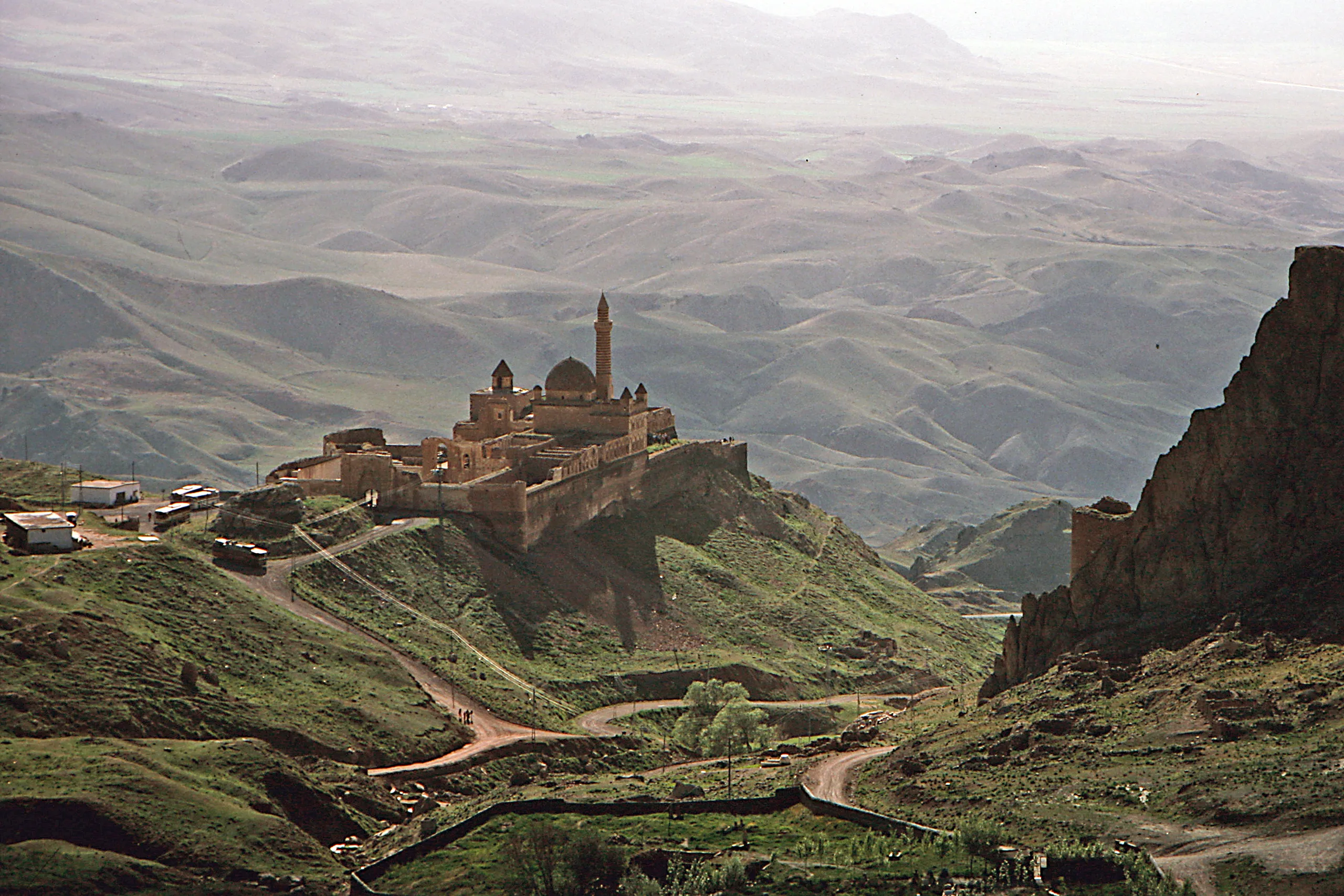
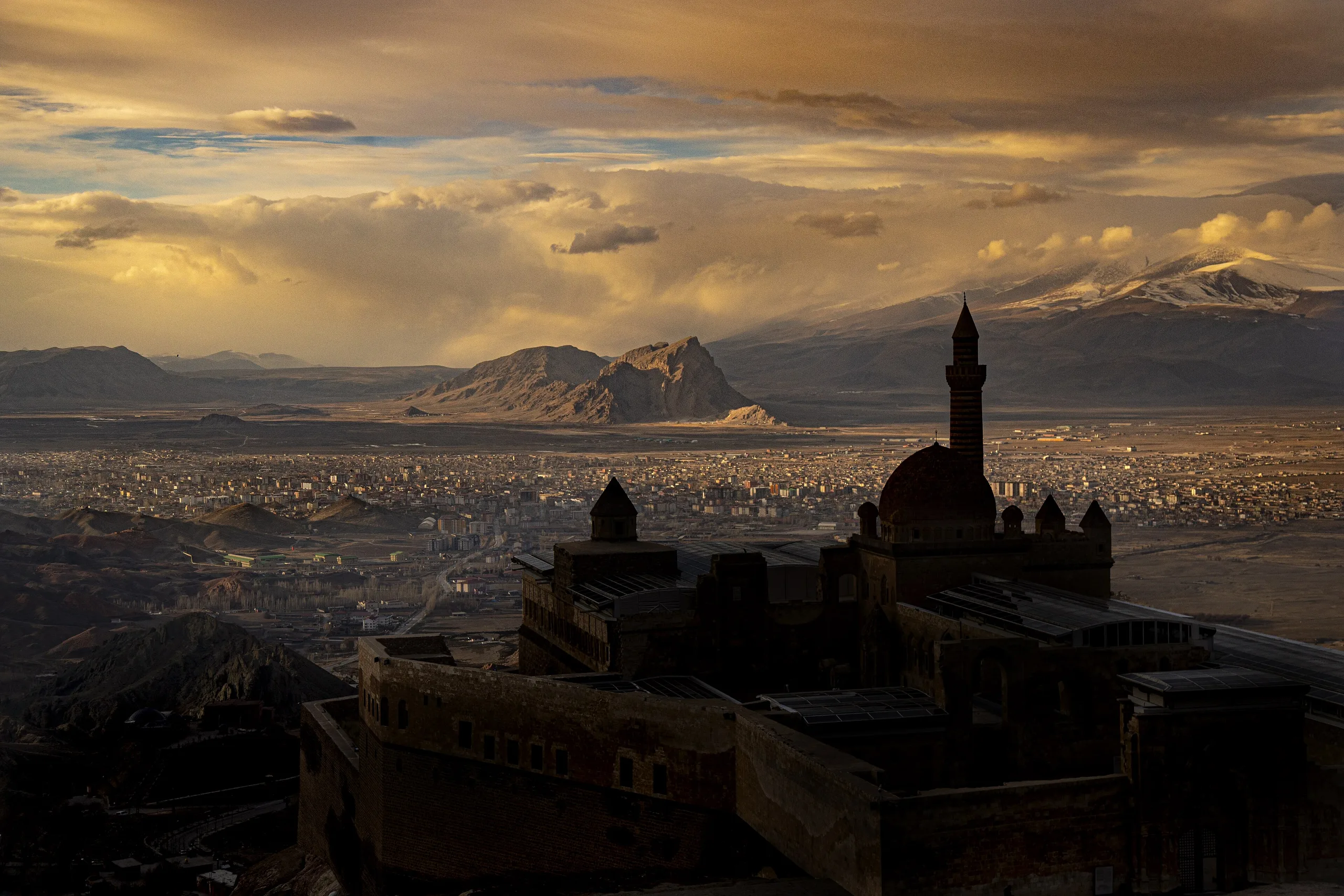
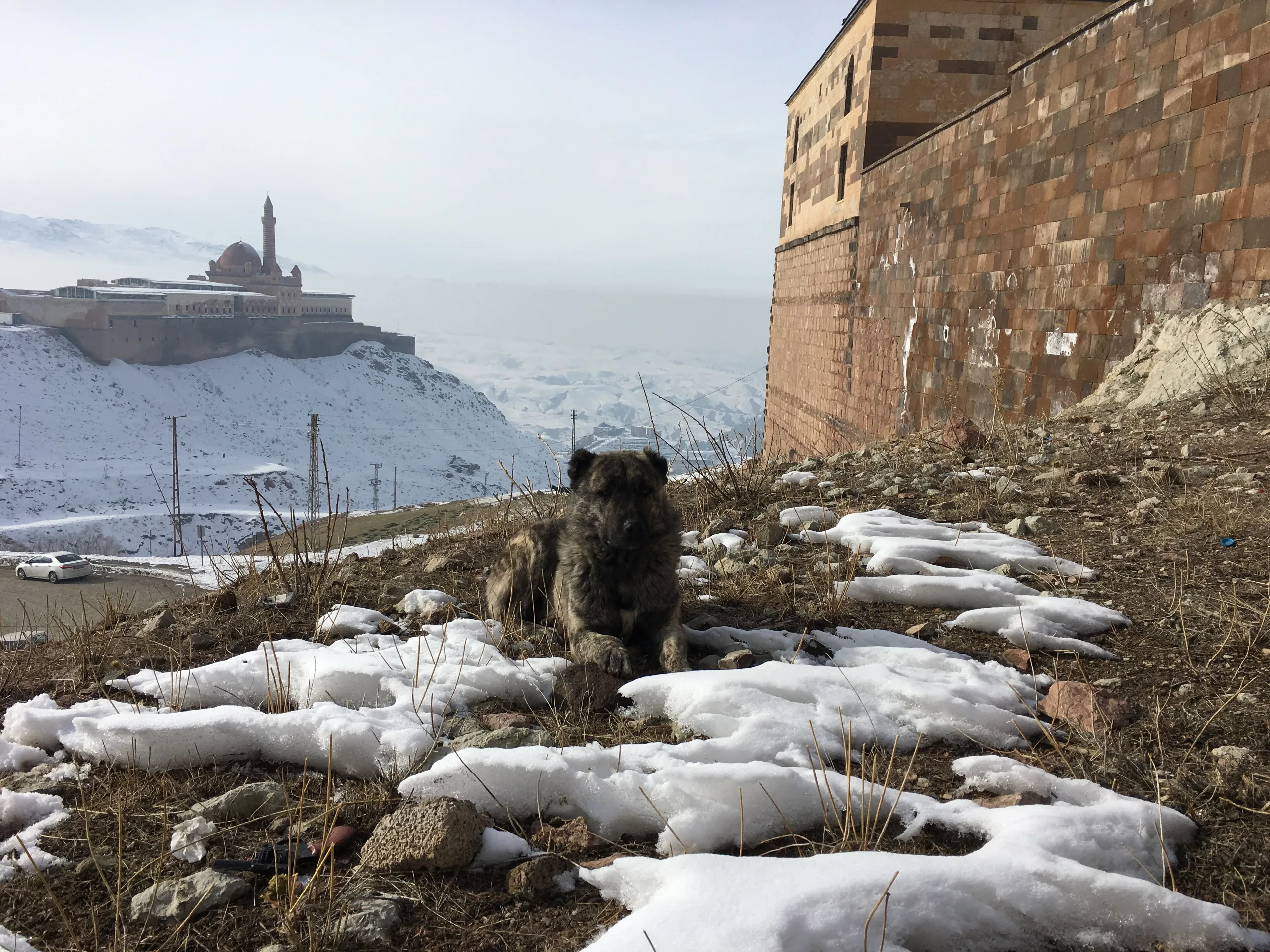
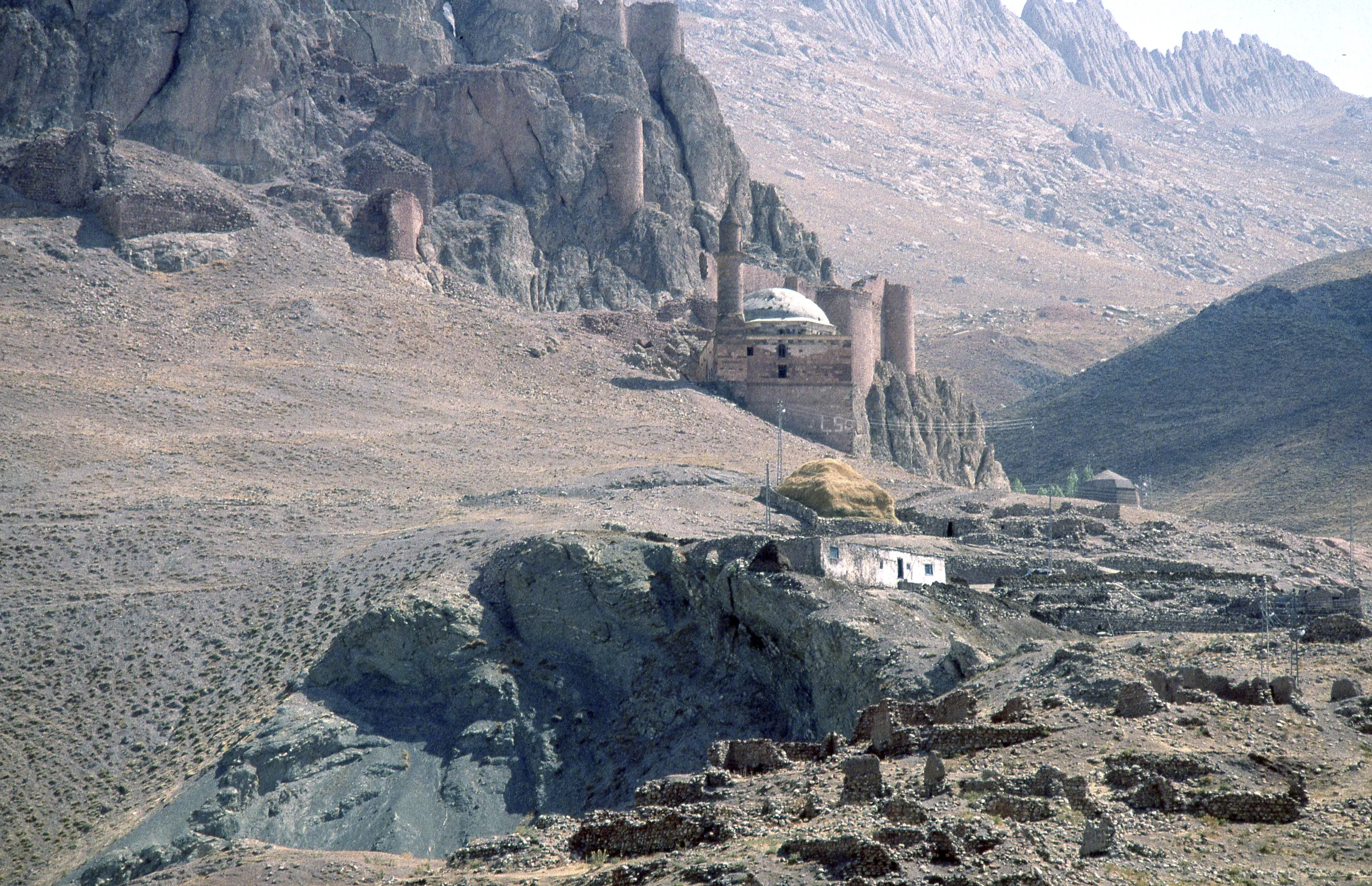
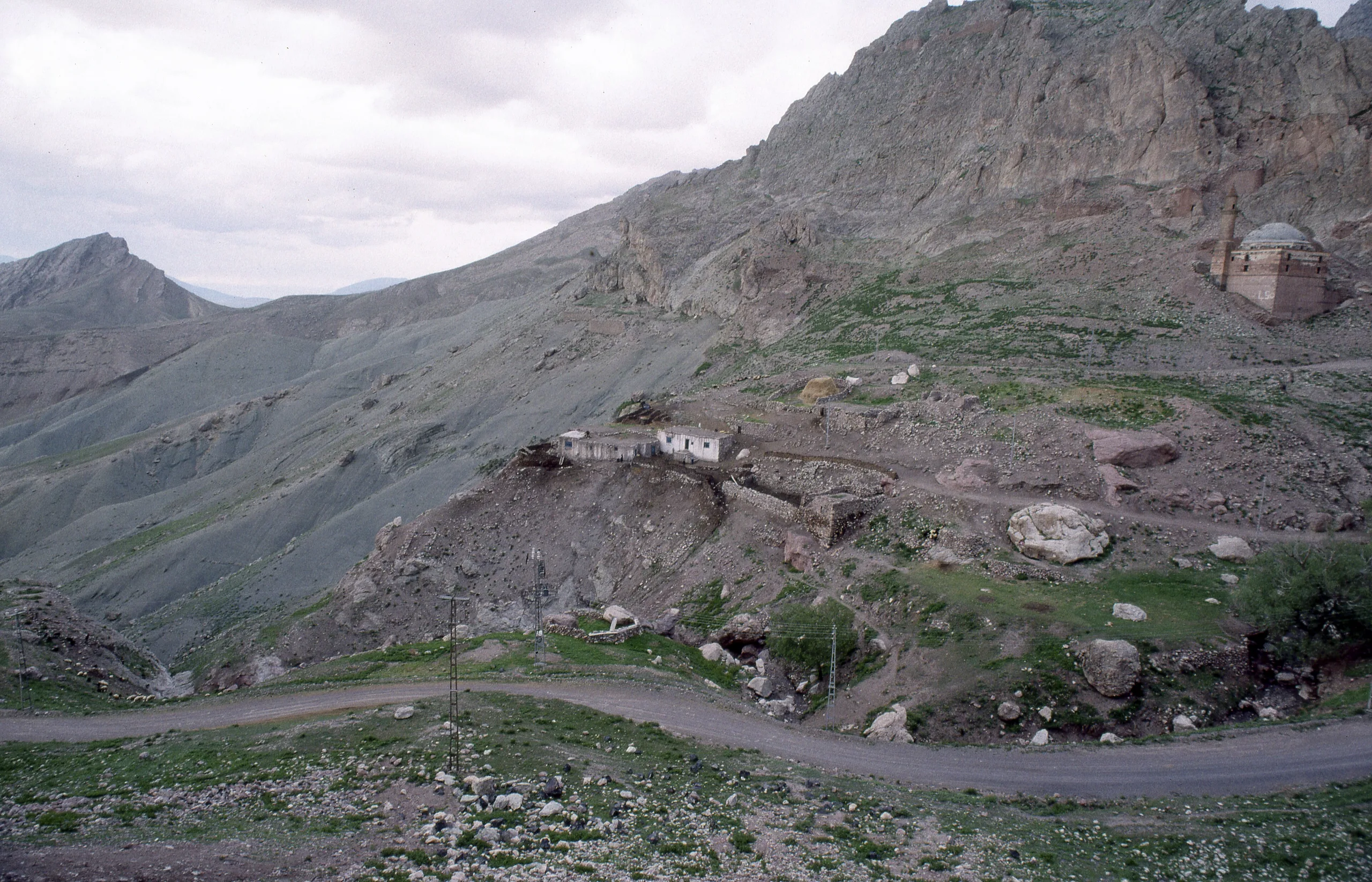
Ishak Pasha Palace is an Ottoman-era palace complex on a hill above old Bayezid and the plain, in the Doğubayazıt district of Ağrı. The ministry presents it as the most famous palace built in the late period after Topkapı Palace in Istanbul, and the Culture Portal says it joined UNESCO's World Heritage Tentative List in 2020.
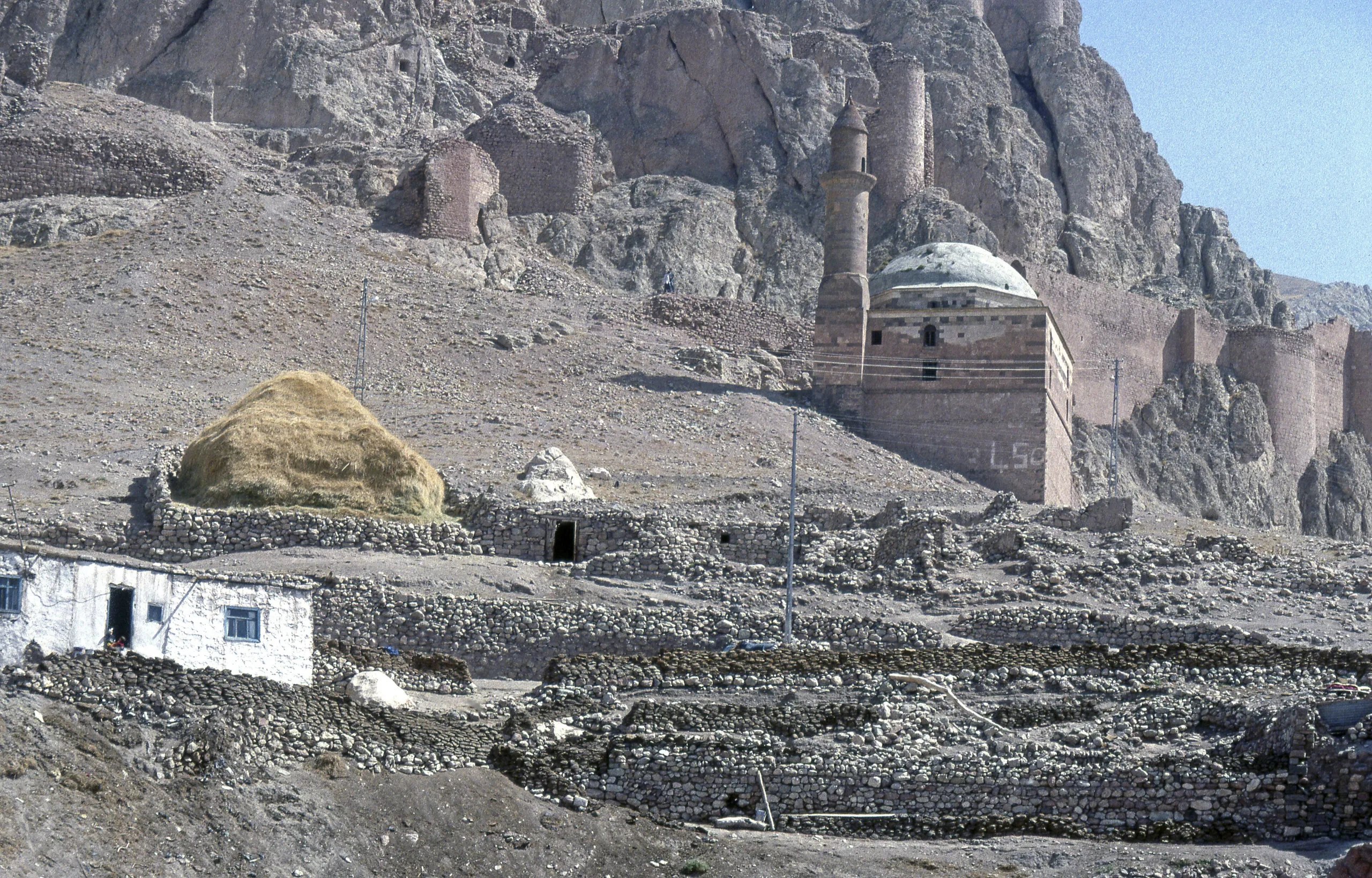
The building is notable for stonework that mixes Ottoman, Seljuk and Persian features. It holds all the parts of a palace, among them courtyards, a mosque, a harem, kitchens and a bath.
Location
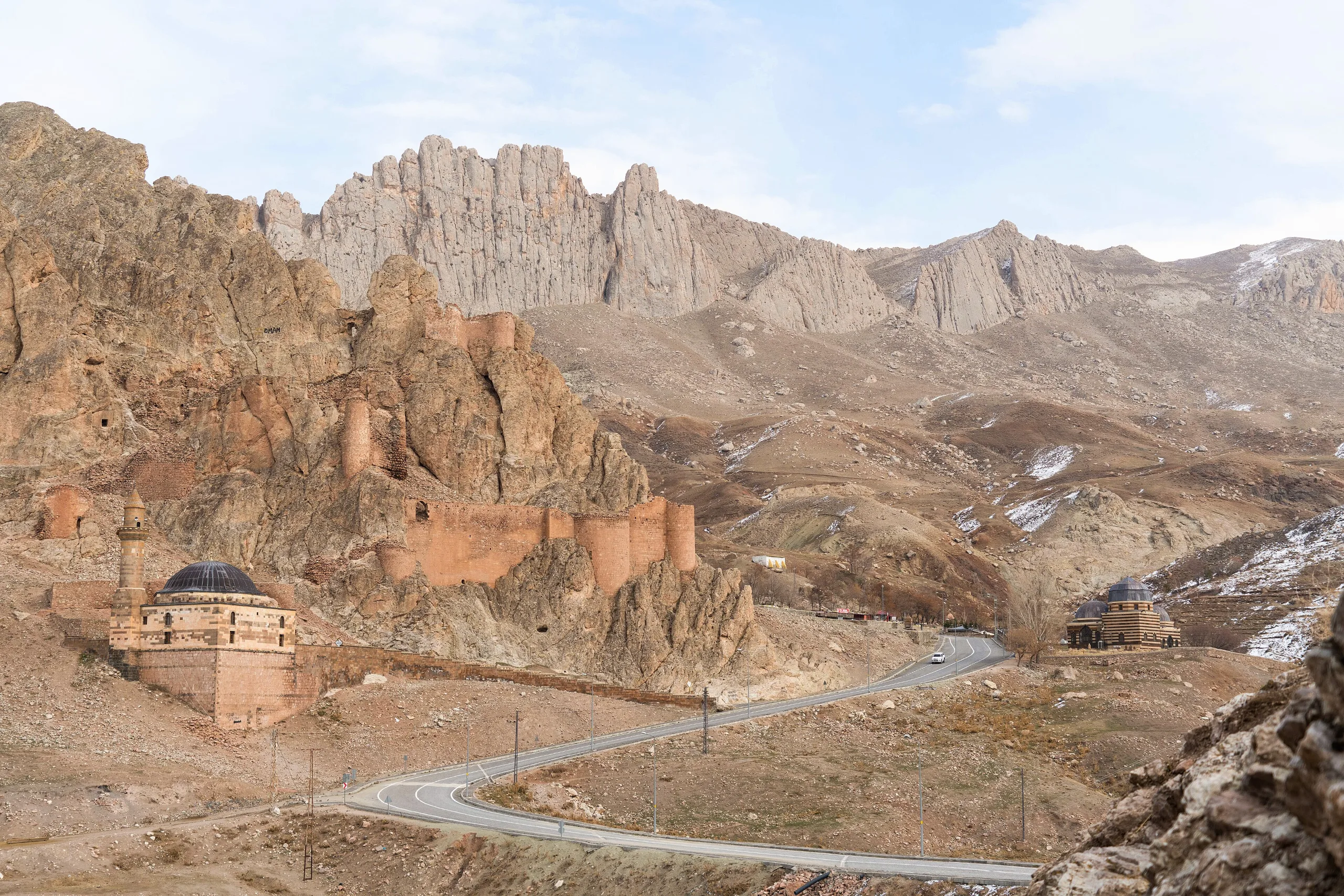
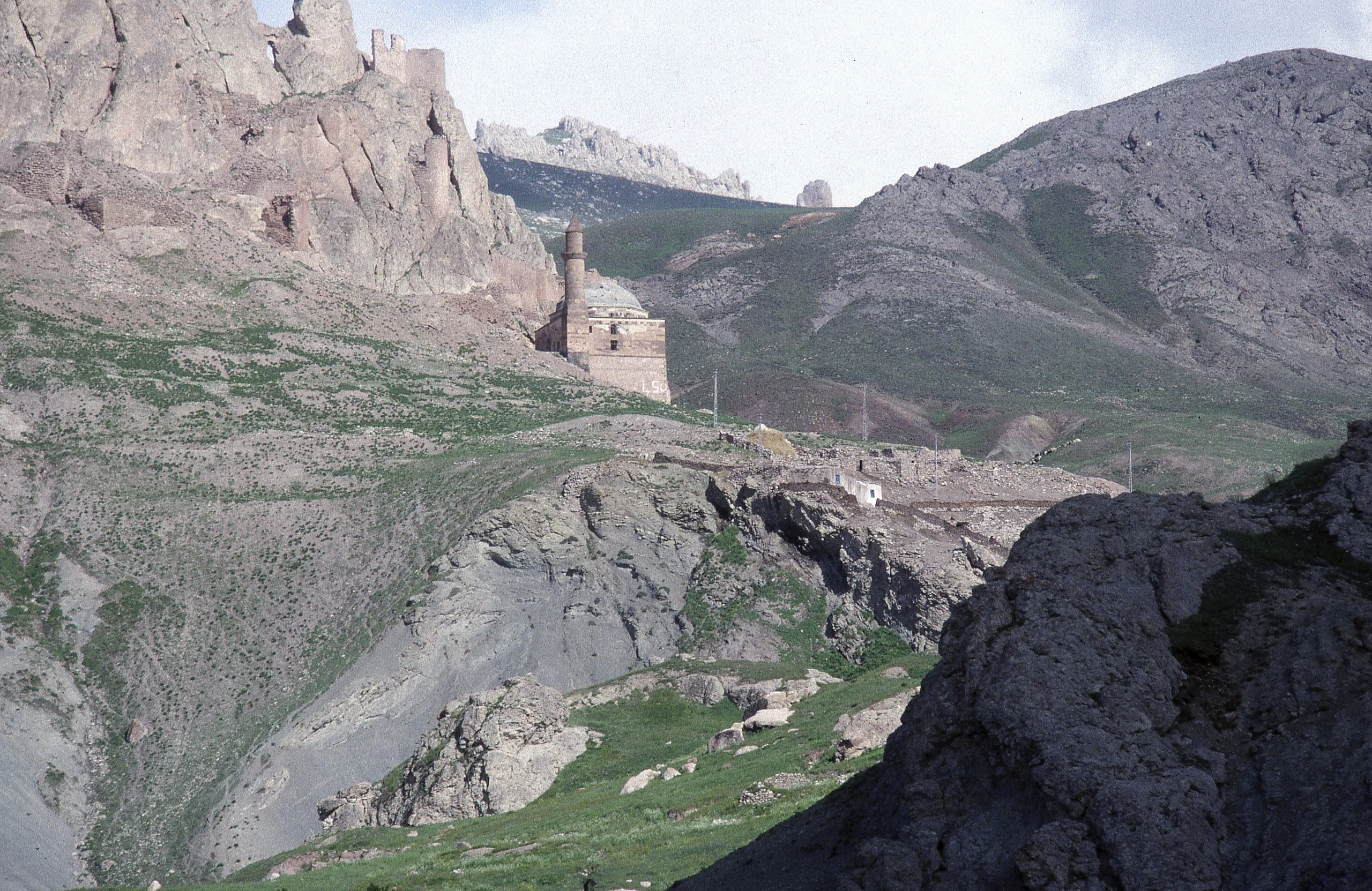
According to the ministry, the palace stands on a hilltop on a mountainside about 5 km east of Doğubayazıt, whereas one Culture Portal article gives 8 km. The portal adds that it can be reached by car from the district centre in about 15 minutes, heading towards Doğubayazıt Castle. The ministry address is Yukarı Tavla village. The coordinates on this page are from Wikidata.
History
Sources tell the building date differently. The ministry's Turkish page gives 1784 (AH 1199) from the inscription at the harem section's Takkapı gate, and says the palace was commissioned in 1685 by Çolak Abdi Pasha and Ishak Pasha II of the Çıldıroğulları family, receiving its final form in 1784. The Culture Portal says construction began in 1685 under Çolak Abdi Pasha of the Çıldır atabegs and was finished in 1784 under Küçük Ishak Pasha of the same line, and that its architects were masters from Akhaltsikhe. Another portal article, citing the inscription, says Ishak Pasha II had it built in 1784. The year 1874 in the ministry's English page does not agree with these sources. The portal also notes that the Bayezid sanjak was governed from the palace until the First World War.
The ministry calls it the last great monumental building of the Ottoman Tulip Period and a distinguished example of 18th-century Ottoman architecture, while its English page describes it as representative of the late Ottoman art style.
Architecture
The Turkish ministry page says the palace is built of cut stone on an area of roughly 115 by 50 metres, and its east-facing portal reflects Seljuk art with reliefs and ornament. The English page says the complex covers 7,600 square metres and lists courts, meeting rooms, a bakery, a dungeon, a bath, a mosque, the harem and, lastly, stables, service rooms, a kitchen, the men's quarter and a tomb. The Culture Portal notes that parts have one, two or, counting the basement, three storeys, that the complex consists of a terrace, two courtyards and the buildings around them, while a separate portal article says the palace has 366 rooms.
The portal places the entrance on the east side, the hardest to defend. The single-domed mosque has a minaret laid in two colours of stone, and the tomb outside the qibla wall, decorated with geometric and plant motifs, was probably made for Abdi Çolak Pasha, Ishak Pasha and their relatives. Four wooden brackets projecting from the north front of the men's quarter carry a winged dragon, a lion and human figures. Voids inside the stone walls show that a central heating system resembling radiators warmed the building. The ministry's English page also singles out human figures on the front, lion and eagle sculptures facing Doğubayazıt, which stand for power on earth and in the sky, and the tree-of-life relief on the tomb.
The portal adds that besides Ottoman and Seljuk traditions the building shows Baroque influence from Europe, and that its stone carving bears traces of cultures from Iran to the Caucasus.
Visiting
For current hours and fees see the ministry's official page. Its Turkish page states that the MüzeKart is valid for Turkish citizens.
Gallery
Frequently asked questions
Where is Ishak Pasha Palace?
When was the palace built?
Who commissioned it?
Which styles does it combine?
How big is the palace?
Is it a World Heritage Site?
What are the opening hours and ticket prices?
Sources (13)
- İshak Paşa Sarayı / Ishak Pasha Palace (TR ve EN sayfalar) — T.C. Kültür ve Turizm Bakanlığı, Müzeler ve Ören Yerleri
- İshak Paşa Sarayı - Ağrı (Gezilecek Yerler) — T.C. Kültür ve Turizm Bakanlığı, Kültür Portalı
- Ağrı'nın Gözdesi: İshak Paşa Sarayı (Kültür Portalı yazısı) — T.C. Kültür ve Turizm Bakanlığı, Kültür Portalı
- İshak Paşa Sarayı (Wikidata Q1501534) — Wikidata
Photo credits
- Photo: Ibosimsek02, CC BY-SA 4.0 — Wikimedia Commons (resized)
- Photo: W. Bulach, CC BY-SA 4.0 — Wikimedia Commons (resized)
- Photo: Murselyagcioglu, CC BY-SA 4.0 — Wikimedia Commons (resized)
- Photo: Liselottediehl, CC BY-SA 4.0 — Wikimedia Commons (resized)
- Photo: LNight Italy, CC BY-SA 4.0 — Wikimedia Commons (resized)
- Photo: Dosseman, CC BY-SA 4.0 — Wikimedia Commons (resized)
- Photo: Dosseman, CC BY-SA 4.0 — Wikimedia Commons (resized)
- Photo: Dosseman, CC BY-SA 4.0 — Wikimedia Commons (resized)
- Photo: Dosseman, CC BY-SA 4.0 — Wikimedia Commons (resized)