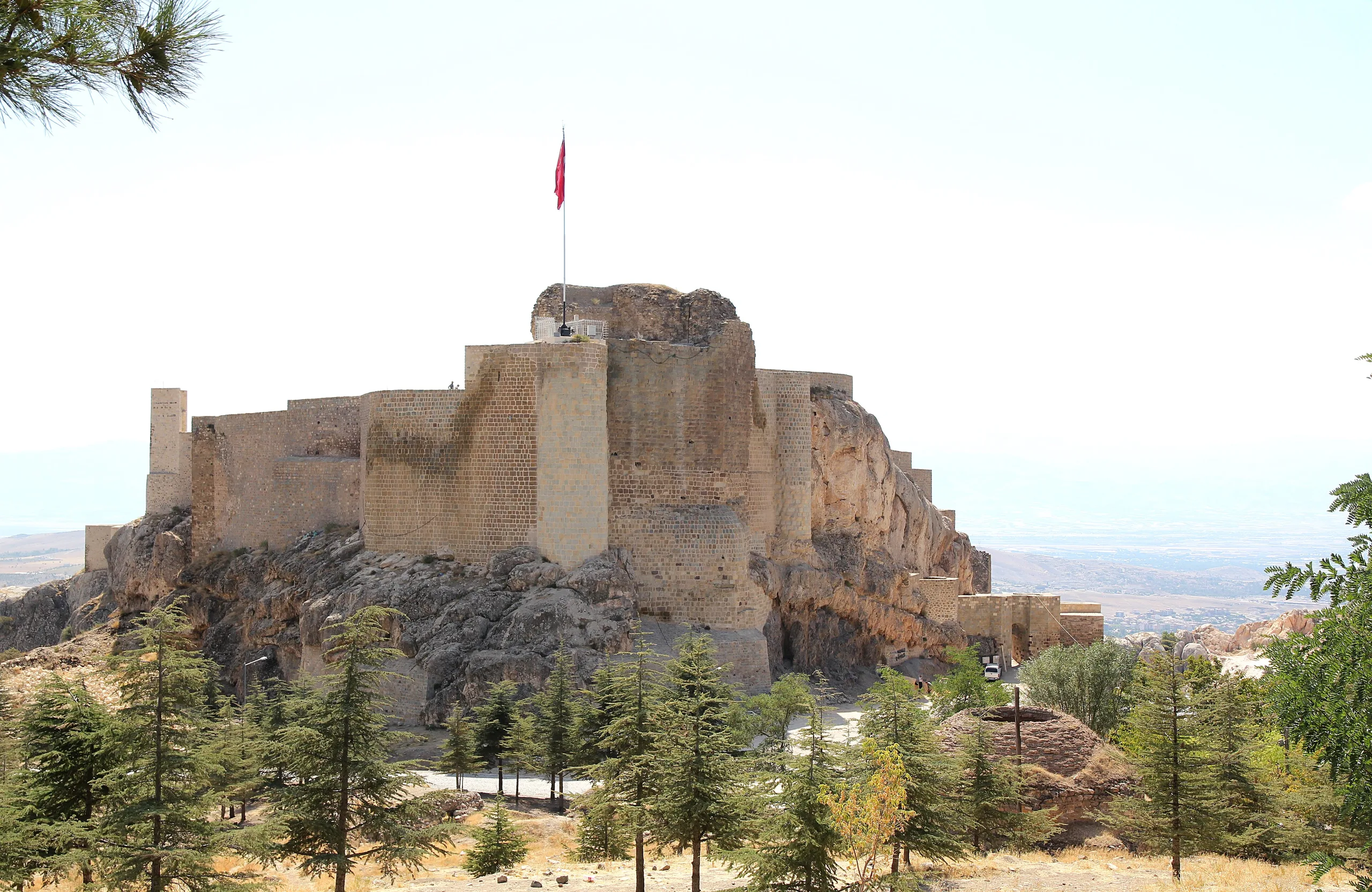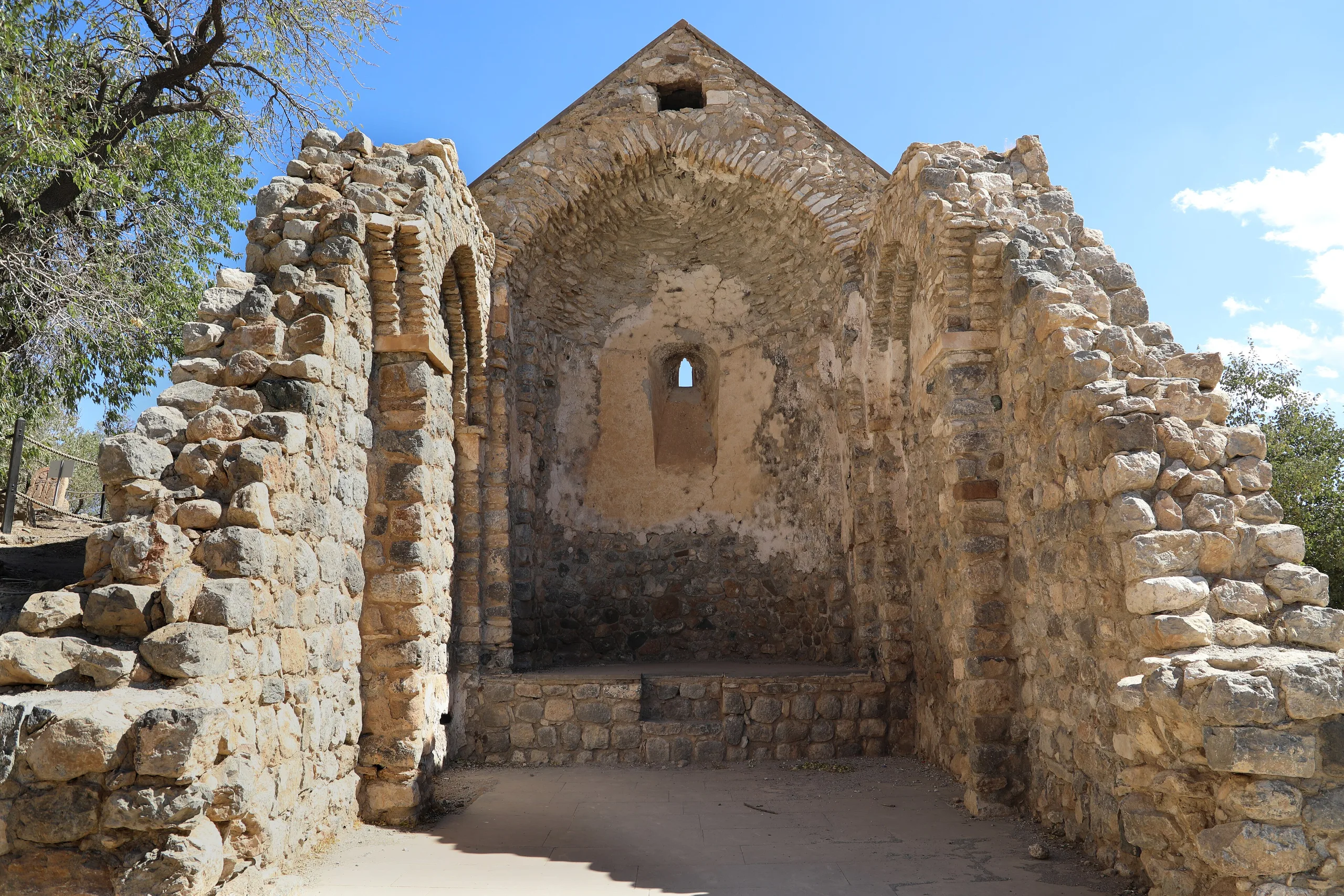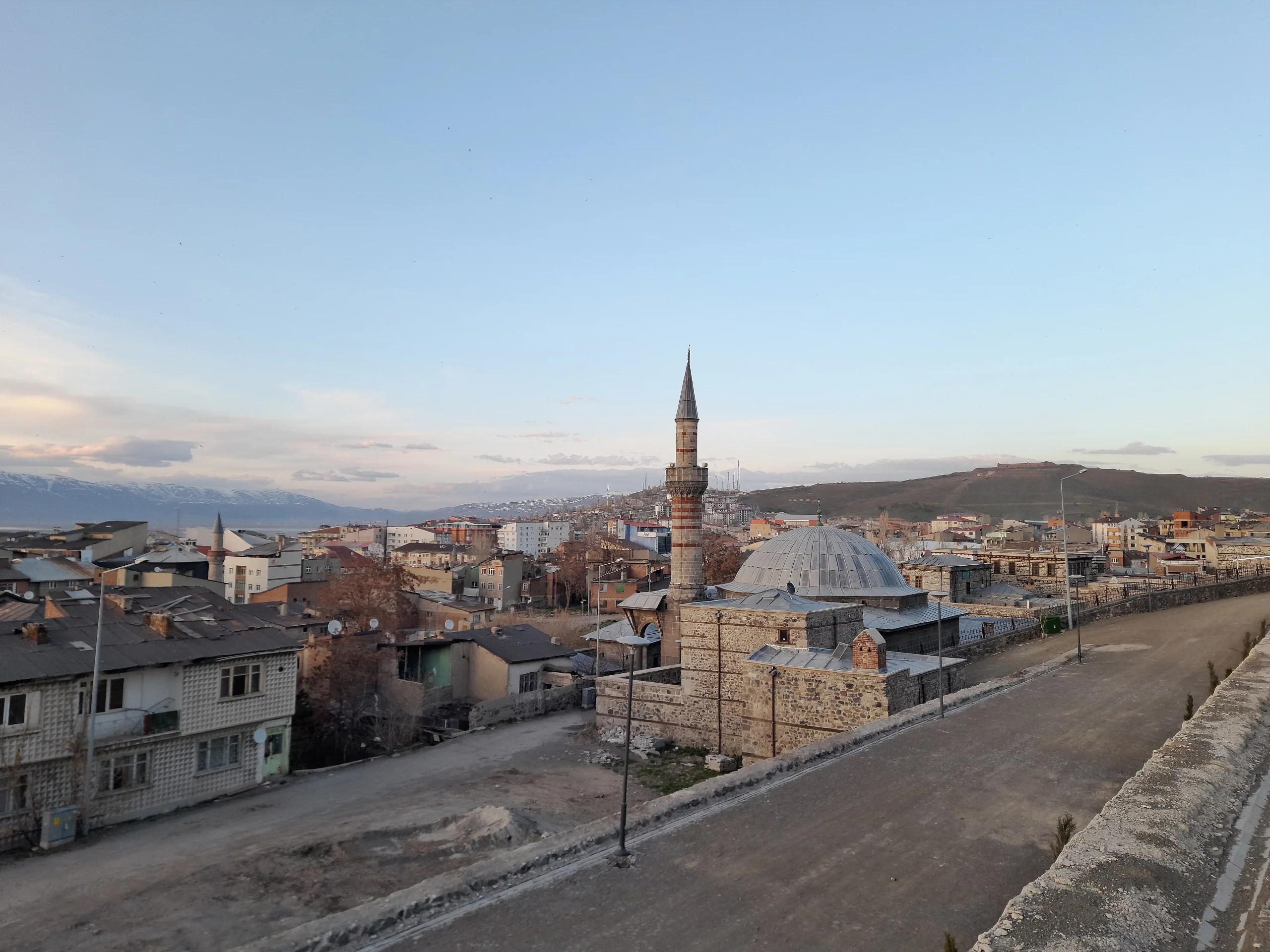
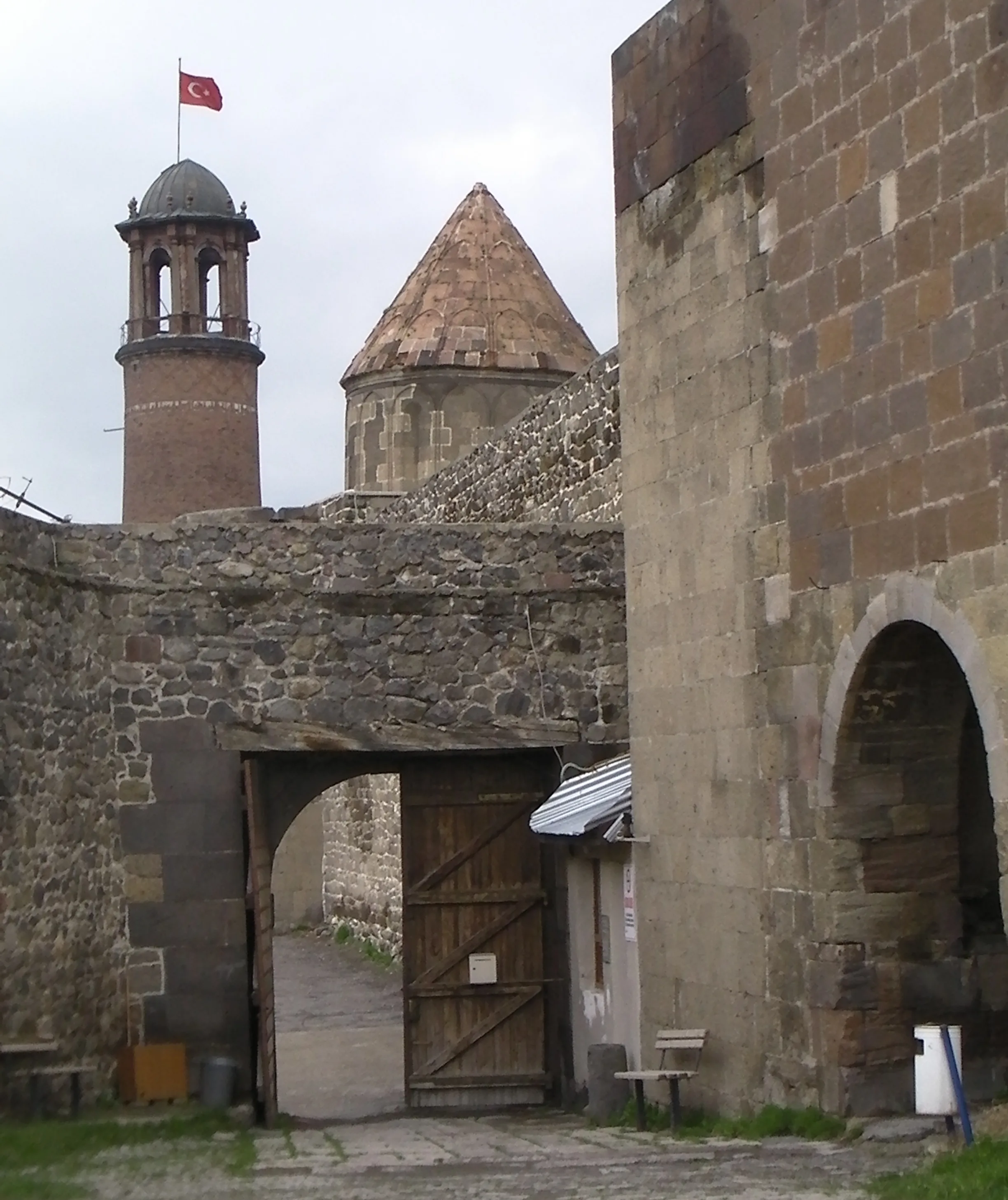
In central Erzurum, an inner castle dated to the 5th century still stands with eight bastions; inside are the Saltukid-era Kale Mescidi and the Tepsi Minaret.
Erzurum Castle is a place (Castle) in Turkey, Erzurum. Main periods: Byzantine Period, Ottoman Period.
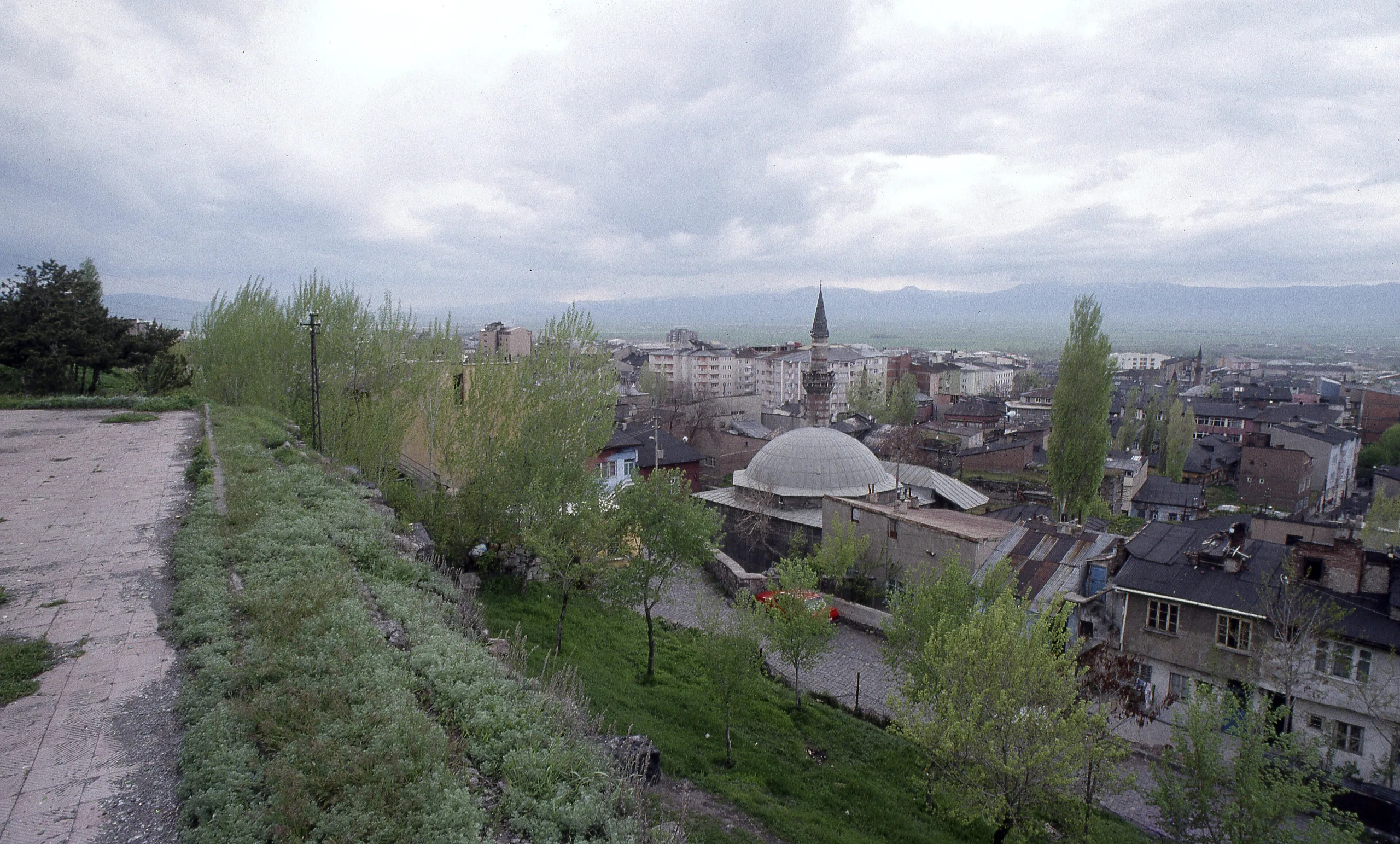
Stone walls crown a hill in the middle of Erzurum, at the spot where the Tebriz Gate quarter meets Cumhuriyet Avenue. The citadel can be reached on foot or by any city bus. What survives is the inner castle, still solid; the outer ramparts that once wrapped the town have almost entirely gone.
History
Nobody knows exactly when the first fortress went up. The usual estimate dates its foundation to the early 400s under the Byzantines, and one account credits the emperor Theodosius with building the inner castle in 415. Sasanians, Persians and Arabs all took their turns holding it. Turkish forces captured it in the 11th century, and the earliest Turkish-Islamic buildings of Erzurum appeared inside the inner castle soon afterwards.
The fortress was patched up more than once. Suleiman the Magnificent had it repaired in the 16th century and Mahmud II did so again in the 19th.
What to see
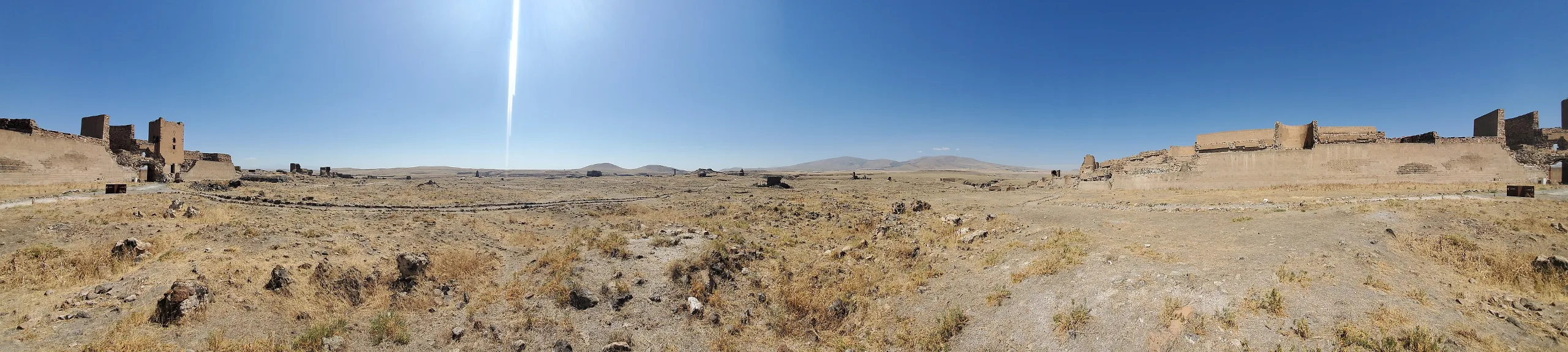
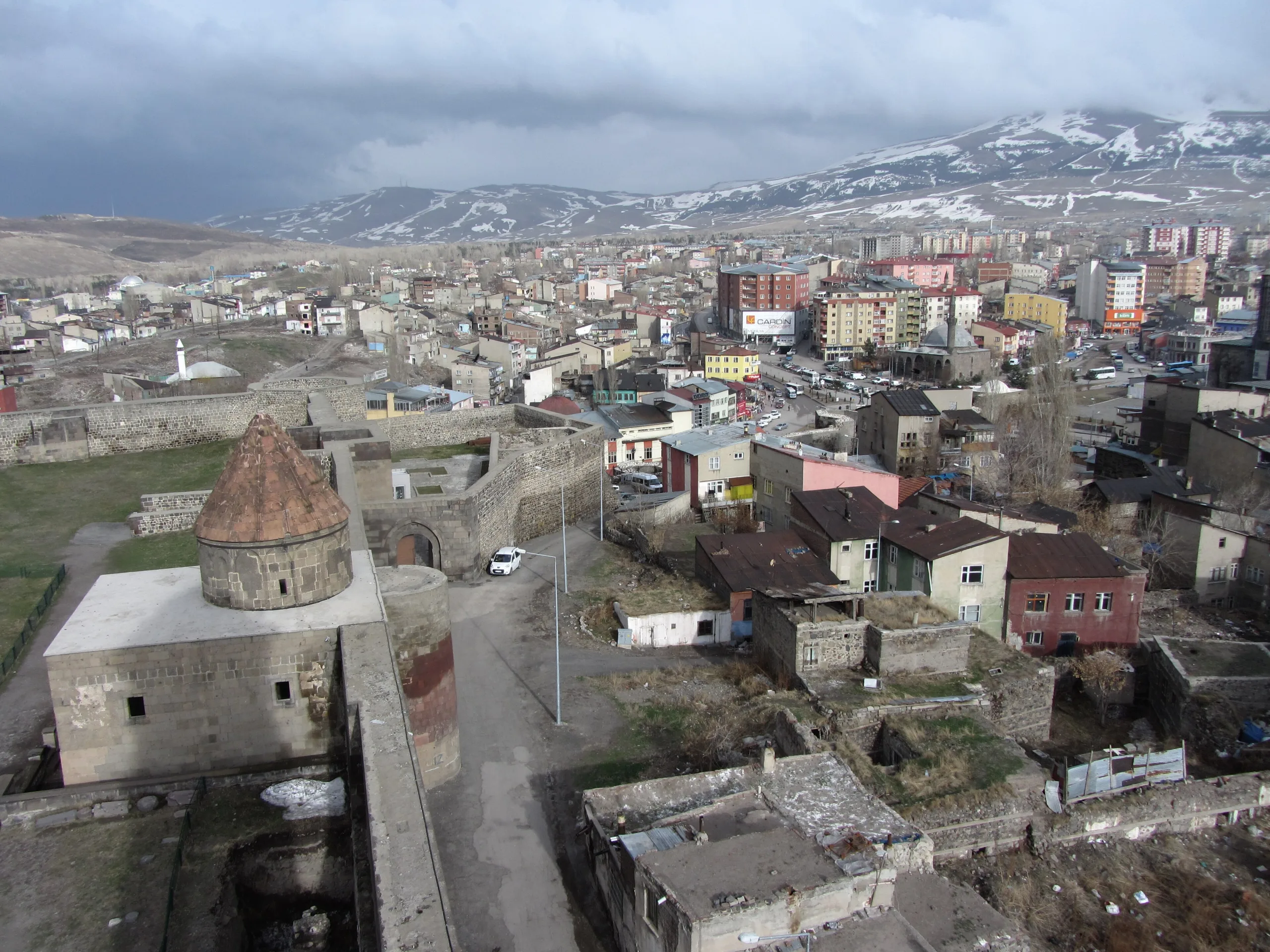
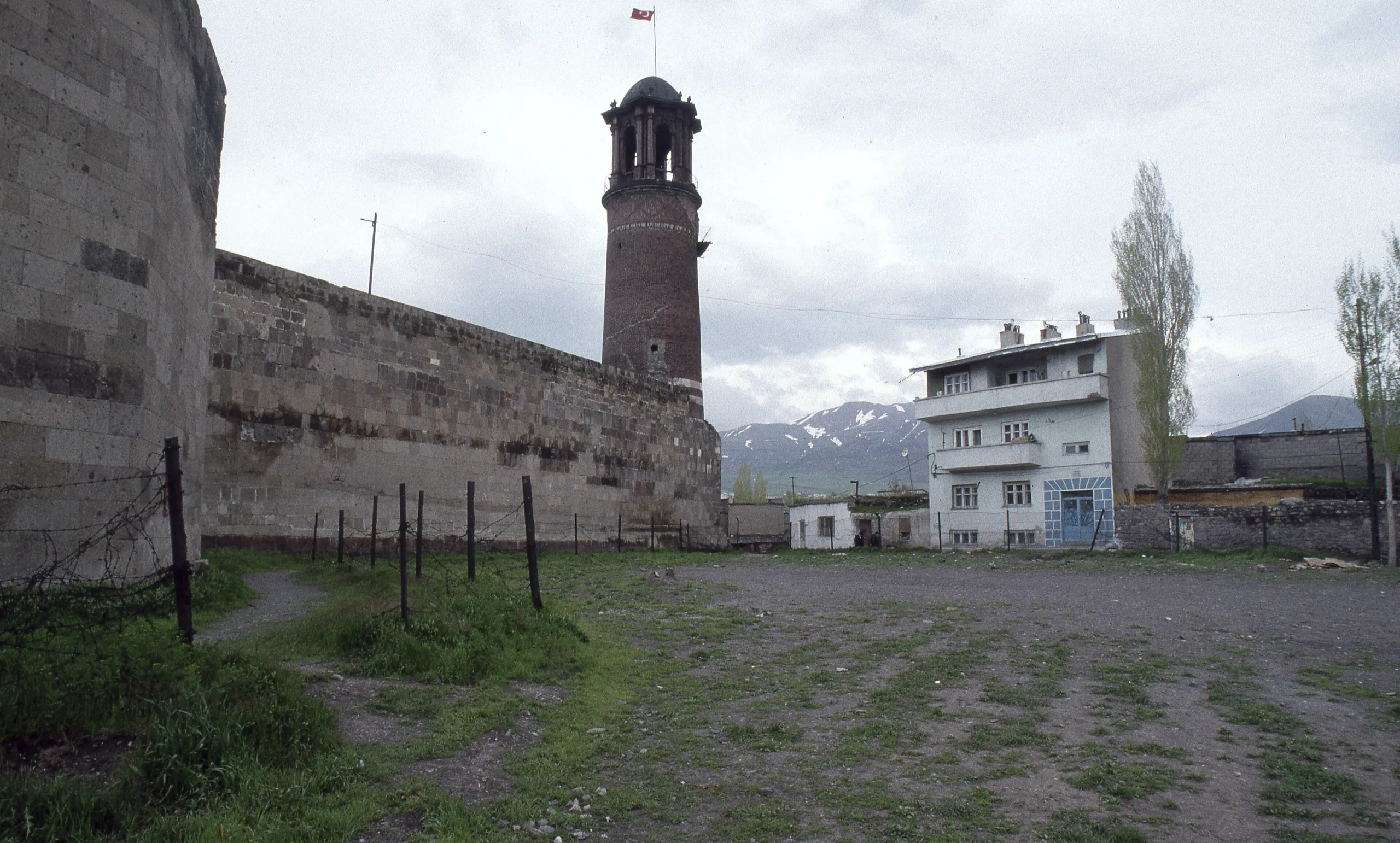
The plan had two parts. On top of the hill stood the inner castle, home to the garrison. Around it, the outer castle enclosed the streets and neighbourhoods where ordinary people lived. Those outer walls are mostly gone, and only the names of the gates have survived: Tebriz, Erzincan and Georgian gates, plus the Istanbul Gate and the New Gate opened later. The inner walls are between 2 and 2.5 metres thick and eight of their bastions are still standing. In the courtyard you can see a brick bathhouse and a set of small rooms.
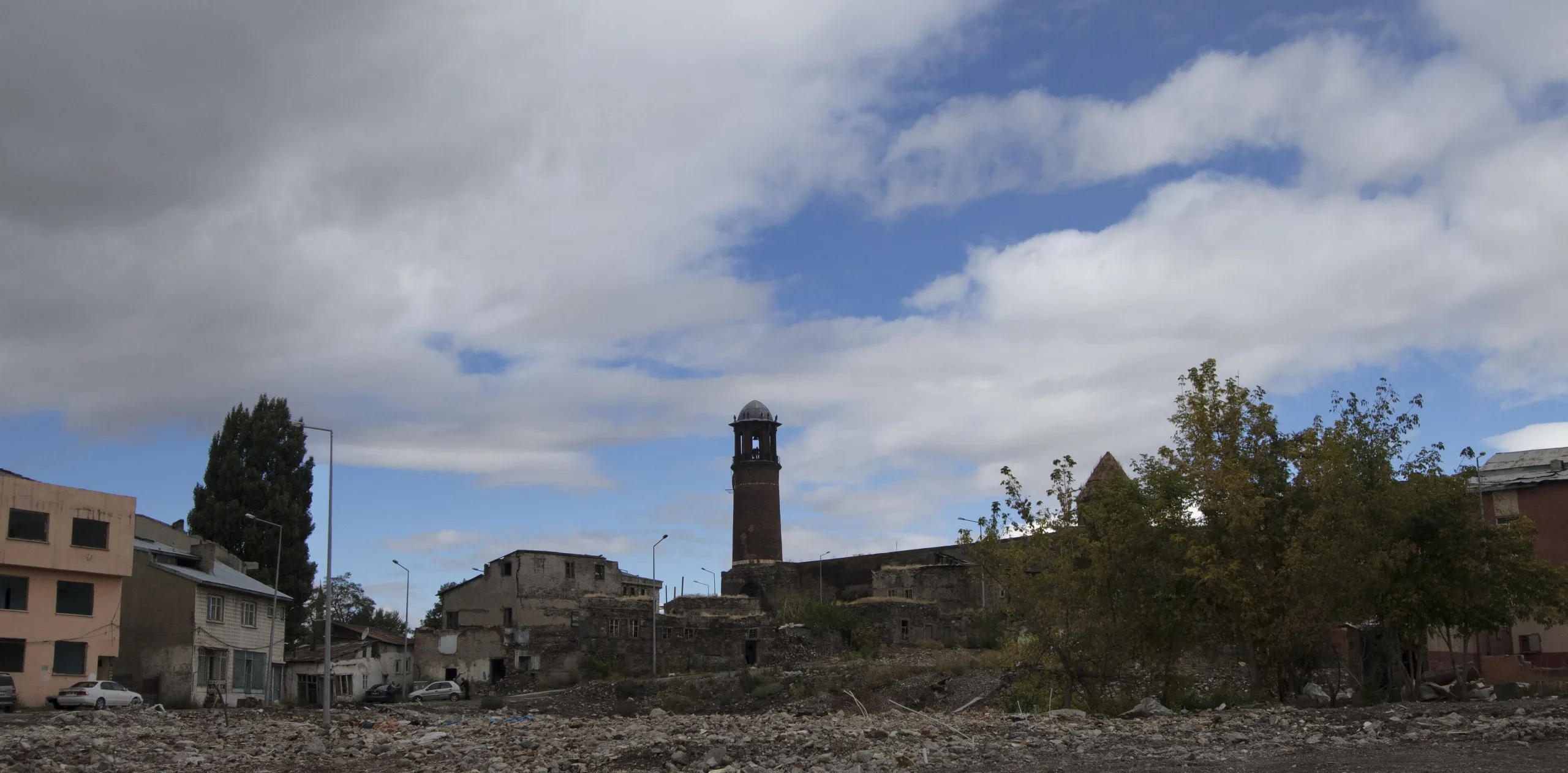
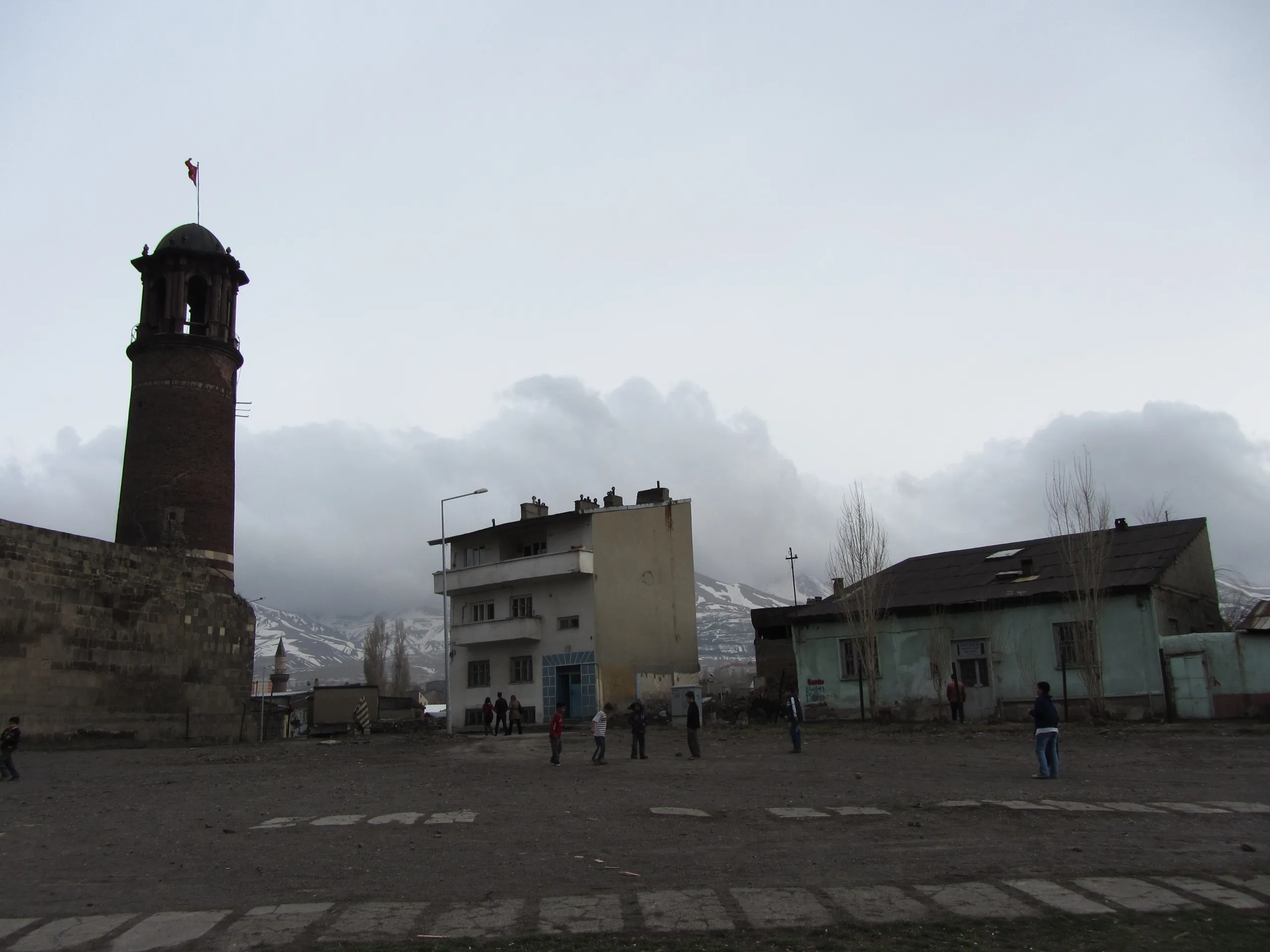
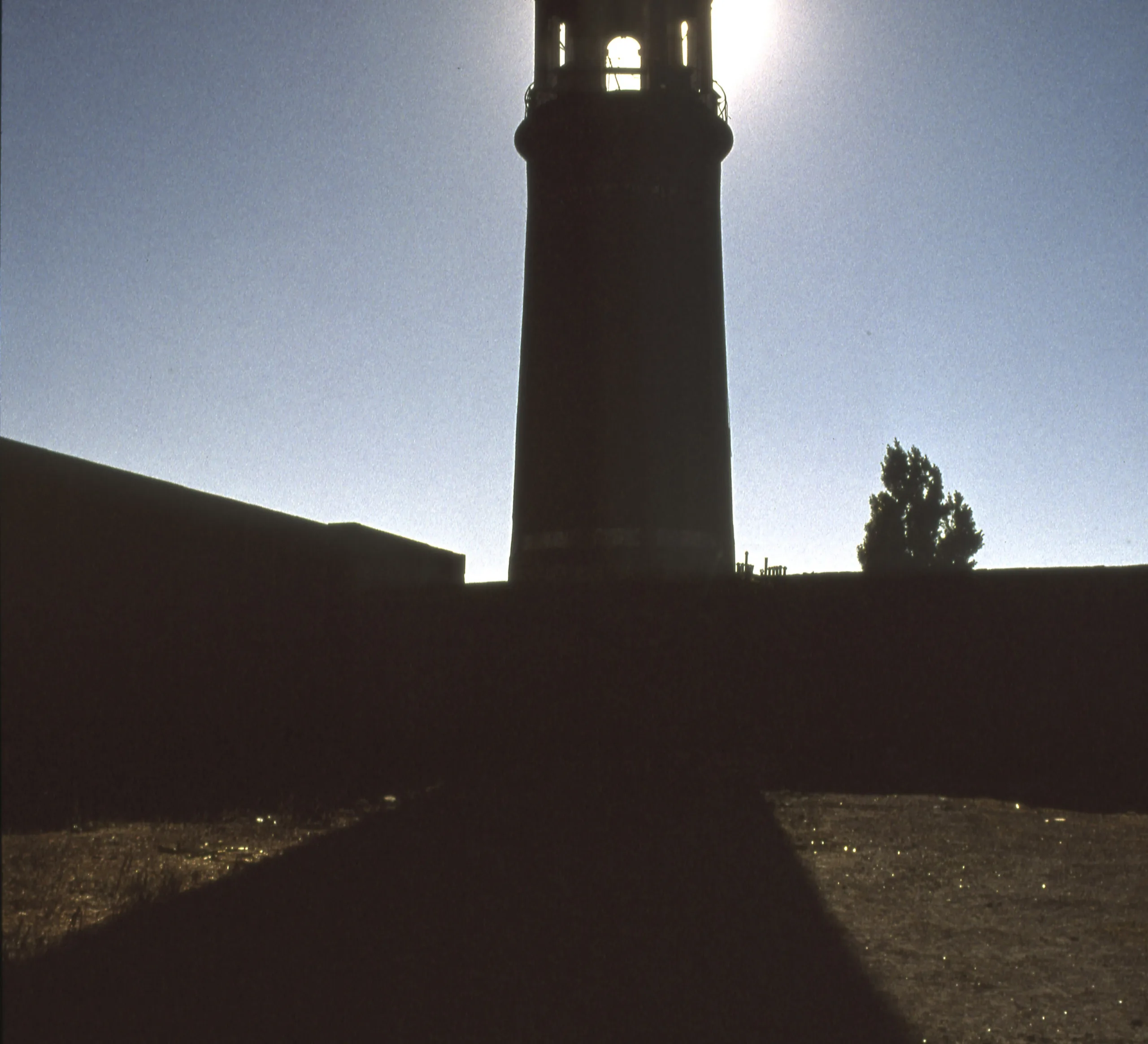
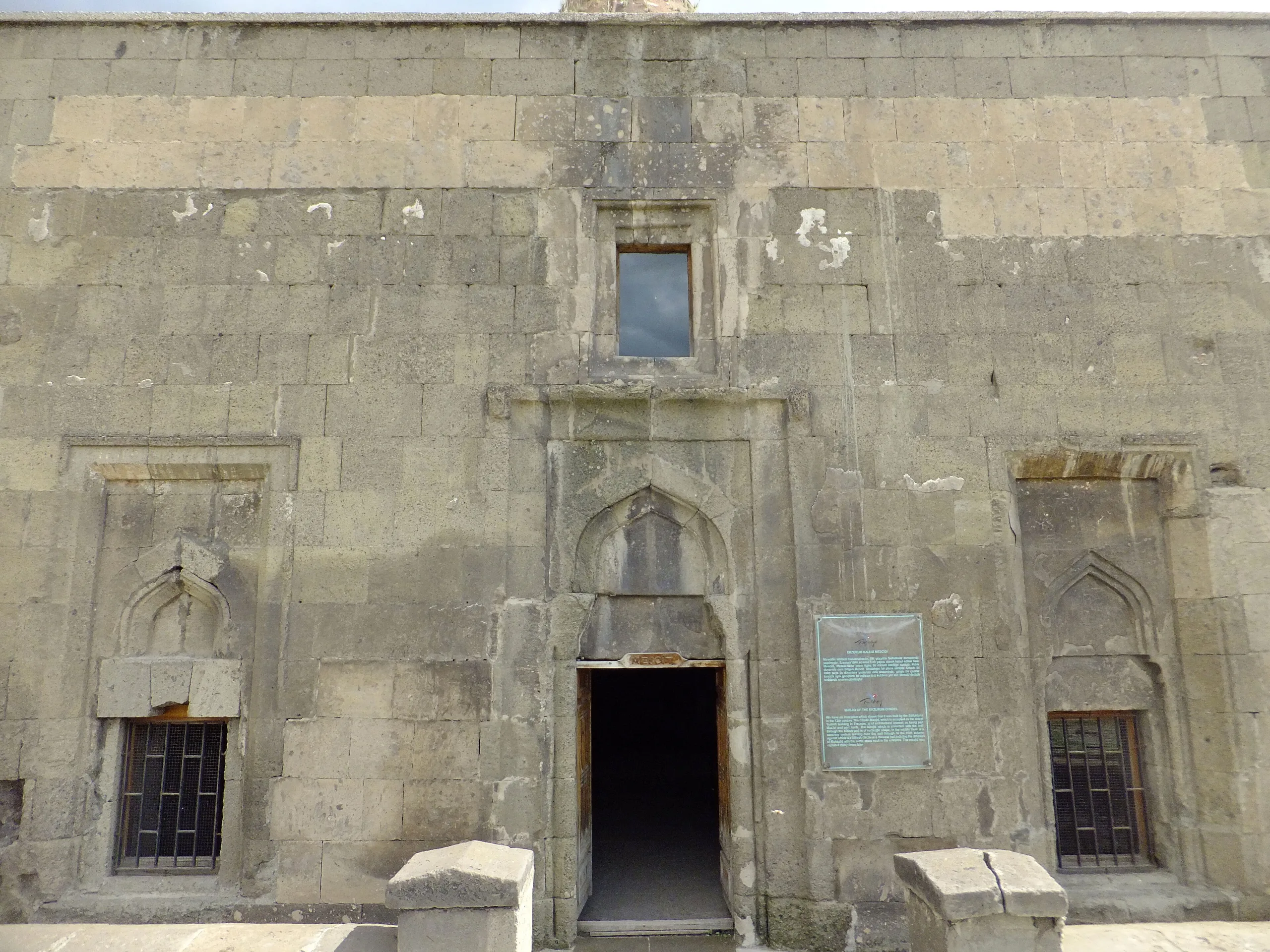
Two buildings from the Saltukid period stand out: the Kale Mescidi, a small mosque, and the Tepsi Minaret. The minaret did double duty as a lookout. In Ottoman times a tomb of the Forty Saints, the tomb of Ebu Ishak-i Kazeruni and the Ali Ağa Fountain joined the group, and the mosque was extended against the northern wall.
Excavations
Scientific digging began in 2000. It has brought up structural remains, pottery and small finds from the castle grounds.
Visiting
From the walls there is a wide view over the city. Four museums sit close by: the Erzurum Museum, the Atatürk House, the Museum of Turkish and Islamic Arts and Ethnography, and the Painting and Sculpture Museum. Check the official page for current visiting details. The MüzeKart is valid for Turkish citizens.
Gallery
Frequently asked questions
Where is Erzurum Castle?
When was the castle built?
What is left to see?
What was the Tepsi Minaret for?
Are there excavations at the castle?
Which museums are nearby?
Sources (12)
- Erzurum Kalesi / Erzurum Castle (TR ve EN sayfalar) — T.C. Kültür ve Turizm Bakanlığı, Müzeler ve Ören Yerleri
- Erzurum Kalesi - Erzurum, Gezilecek Yerler — T.C. Kültür ve Turizm Bakanlığı, Kültür Portalı (kaynak: Erzurum İl Kültür ve Turizm Müdürlüğü)
- Erzurum Kalesi (Wikidata Q107330417) — Wikidata
Photo credits
- Photo: Sasan77Abdi, CC BY-SA 4.0 — Wikimedia Commons (resized)
- Photo: Brian Dell, Public domain — Wikimedia Commons (resized)
- Photo: Zeynel Cebeci, CC BY-SA 4.0 — Wikimedia Commons (resized)
- Photo: David Bacon, CC BY 2.0 — Wikimedia Commons (resized)
- Photo: David Bacon, CC BY 2.0 — Wikimedia Commons (resized)
- Photo: Dosseman, CC BY-SA 4.0 — Wikimedia Commons (resized)
- Photo: Dosseman, CC BY-SA 4.0 — Wikimedia Commons (resized)
- Photo: R Prazeres, CC BY-SA 4.0 — Wikimedia Commons (resized)
- Photo: Dosseman, CC BY-SA 4.0 — Wikimedia Commons (resized)